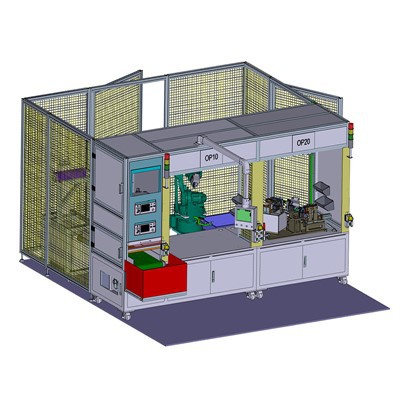
In the realm of hydraulic systems within production equipment, the cleanliness of hydraulic fluid stands as a cornerstone for ensuring optimal performance, long – term reliability, and cost – effective operation. As a dedicated supplier in the Hydraulic Industry Production Equipment sector, I’ve witnessed firsthand the profound impact that hydraulic fluid cleanliness can have on production processes. In this blog, I aim to delve deep into the requirements for hydraulic fluid cleanliness in production equipment and shed light on why it is of utmost importance. Hydraulic Industry Production Equipment
Why is Hydraulic Fluid Cleanliness Critical?
To understand the requirements, we must first grasp why clean hydraulic fluid is so essential. Hydraulic systems rely on the precise movement of fluid to transfer power. Contaminants in the fluid can cause a plethora of problems. Abrasive particles, such as dirt, metal shavings, or sand, can wear down pump components, valves, and cylinders. This wear leads to reduced efficiency, as the system may require more energy to achieve the same output. Over time, excessive wear can even result in component failure, causing unplanned downtime and costly repairs.
Another issue is the formation of sludge and varnish. Chemical contaminants in the fluid can react and form deposits on internal surfaces. These deposits can restrict fluid flow, impair the operation of valves, and decrease the overall effectiveness of the hydraulic system. Additionally, contaminated fluid can increase the risk of corrosion, further degrading the system and reducing its service life.
Standards for Hydraulic Fluid Cleanliness
The industry has established strict standards to define the acceptable levels of contamination in hydraulic fluid. One of the most widely recognized standards is the ISO 4406 code. This code assigns a cleanliness level to a fluid sample based on the number of particles of different sizes present in a given volume of fluid. For example, an ISO code of 18/16/13 indicates that in 1 ml of fluid, there are more than 1300 but less than 2500 particles in the 4 μm size range, more than 400 but less than 800 particles in the 6 μm size range, and more than 64 but less than 130 particles in the 14 μm size range.
The appropriate ISO cleanliness level for a hydraulic system depends on several factors, including the type of equipment, its operating conditions, and the precision of its components. Generally, high – precision systems, such as those used in aerospace or semiconductor manufacturing, require a much higher level of fluid cleanliness (e.g., ISO 12/10/7) compared to less precise industrial systems, which might be acceptable with a level like ISO 18/16/13.
Factors Affecting Hydraulic Fluid Cleanliness Requirements
Equipment Type
Different types of hydraulic equipment have different sensitivity to fluid contamination. For instance, mobile equipment like excavators and loaders often operate in harsh environments with a high risk of dirt ingress. However, these systems are designed with a bit more tolerance for contamination as they typically have larger clearances between components. On the other hand, hydraulic systems in precision machining centers need extremely clean fluid because the small clearances and high – speed operation are very susceptible to damage from even the smallest particles.
Operating Conditions
The environment in which the equipment operates plays a significant role in determining the fluid cleanliness requirements. In outdoor applications, the risk of contamination from dust, dirt, and moisture is higher. Systems operating in dusty or dirty environments, such as mining or construction sites, may need to be maintained at a higher level of cleanliness. Similarly, systems exposed to high humidity or extreme temperatures require special attention to fluid cleanliness, as these conditions can accelerate the growth of contaminants and the degradation of the fluid.
System Pressure
High – pressure hydraulic systems are more vulnerable to the effects of contamination. At higher pressures, the forces acting on the components are greater, and even a small particle in the fluid can cause significant damage. Therefore, high – pressure systems usually demand a higher level of fluid cleanliness compared to low – pressure systems.
Maintaining Hydraulic Fluid Cleanliness
Filtration
Filtration is the primary method for maintaining hydraulic fluid cleanliness. A well – designed filtration system can effectively remove contaminants from the fluid. There are different types of filters available, including suction filters, pressure filters, and return filters. Suction filters prevent large particles from entering the pump, protecting it from damage. Pressure filters are used to remove particles from the high – pressure side of the system, and return filters clean the fluid as it returns to the reservoir.
The filtration rating, which indicates the size of the smallest particle the filter can effectively remove, is a crucial parameter. For high – precision systems, filters with a very fine rating (e.g., 1 – 3 μm) may be required, while for less sensitive systems, a coarser filter (e.g., 10 – 25 μm) may suffice.
Fluid Sampling and Analysis
Regular fluid sampling and analysis are essential for monitoring the cleanliness of the hydraulic fluid. By taking samples at specific intervals and analyzing them using techniques such as particle counting and chemical analysis, it is possible to detect any changes in the fluid’s condition. If the analysis shows that the contamination levels are approaching or exceeding the acceptable limits, corrective action can be taken, such as changing the filters or replacing the fluid.
Proper Maintenance Procedures
Good maintenance practices also contribute to maintaining fluid cleanliness. This includes keeping the reservoir clean, ensuring proper sealing of the system to prevent dirt and moisture ingress, and using clean tools during maintenance operations. Additionally, it is important to follow the manufacturer’s recommendations for fluid change intervals and filter replacement.
Meeting the Requirements in Production Equipment
As a hydraulic industry production equipment supplier, we understand the challenges that our customers face in maintaining the cleanliness of their hydraulic fluids. We offer a range of solutions to help them meet these requirements.
Our equipment is designed with state – of – the – art filtration systems that can be customized to meet the specific cleanliness requirements of different applications. Whether it’s a high – precision machining center or a heavy – duty construction vehicle, we have the expertise to provide the right filtration solution.
We also offer comprehensive training programs for our customers’ maintenance personnel. These programs cover topics such as fluid sampling, filter selection and replacement, and general hydraulic system maintenance. By educating the operators and maintenance staff, we help ensure that the hydraulic systems are properly maintained and that the fluid cleanliness requirements are met.
In addition, we provide ongoing technical support to our customers. Our team of experts is available to answer any questions, diagnose problems, and offer solutions. We understand that downtime can be costly for our customers, so we strive to provide quick and effective support to keep their production equipment running smoothly.
Conclusion
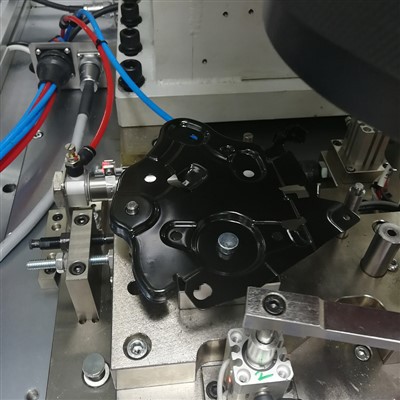
The requirements for hydraulic fluid cleanliness in production equipment are complex and depend on several factors, including equipment type, operating conditions, and system pressure. Maintaining clean hydraulic fluid is essential for ensuring the performance, reliability, and longevity of hydraulic systems. As a hydraulic industry production equipment supplier, we are committed to helping our customers meet these requirements.
Automotive Industry Production Equipment If you are in the market for high – quality hydraulic equipment or need assistance in maintaining the cleanliness of your existing systems, we invite you to reach out. Our experienced team is ready to work with you to understand your specific needs and provide the best solutions for your production equipment.
References
- ANSI/ISO 4406:2017. Hydraulic fluid power – Fluids – Method for coding the level of contamination by solid particles.
- Hydraulic Institute. Engineering Data Book.
- Trumpler, K. (2018). Industrial Hydraulics Handbook. McGraw – Hill Education.
Shanghai Zenyan Automation Engineering Co., Ltd.
As one of the leading hydraulic industry production equipment manufacturers in China, we warmly welcome you to buy advanced hydraulic industry production equipment made in China here from our factory. All customized machines are with high quality and low price. Contact us for quotation.
Address: 3rd Floor, Building A, No.5629 Beisong Road, Chedun Town, Songjiang District, Shanghai, China
E-mail: zenyan_sh@163.com
WebSite: https://www.zenyanauto.com/
