Hey there! I’m a supplier of line steel connectors, and one of the most common concerns I hear from my customers is how to ensure the anti-slip performance of these connectors. It’s a valid worry because, let’s face it, the safety and stability of any structure that uses line steel connectors depend heavily on their anti-slip capabilities. Line Steel Connector
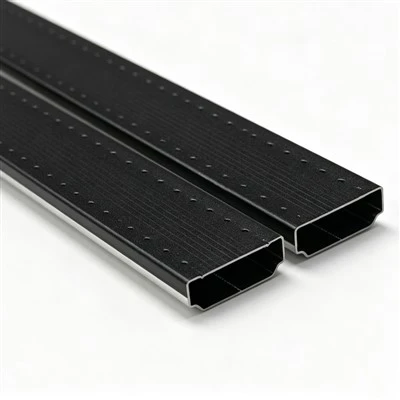
First off, let’s understand what causes slippage in line steel connectors. Slippage can occur due to several factors. One of the main culprits is the surface condition of the steel. If the steel surface is dirty, oily, or has rust on it, it can significantly reduce the friction between the connector and the steel, leading to slippage. Another factor is the clamping force. If the connector isn’t tightened properly, it won’t be able to hold the steel securely, and slippage can happen under load.
So, how can we tackle these issues and ensure top-notch anti-slip performance?
Surface Preparation
The first step in ensuring anti-slip performance is proper surface preparation. This is like setting the foundation for a strong relationship between the connector and the steel. You gotta make sure the steel surface is clean and free from any contaminants.
I usually recommend using a wire brush to scrub off any loose rust, dirt, or paint. It doesn’t have to be a super fancy wire brush; a regular one from the hardware store will do the trick. After brushing, you can use a degreaser to get rid of any oil or grease on the surface. Just spray the degreaser on the steel, let it sit for a few minutes, and then wipe it off with a clean cloth.
Some people might wonder, "Why is surface roughness important?" Well, a rough surface increases the contact area between the connector and the steel, which in turn increases the friction. You can use abrasive blasting to create a rough texture on the steel surface. This process involves shooting small particles at high speed onto the steel, which creates a rough finish. It’s a bit more involved than just brushing, but it can really improve the anti-slip performance.
Choosing the Right Connector
Not all line steel connectors are created equal when it comes to anti-slip performance. When you’re choosing a connector, you need to consider a few things.
The first is the material of the connector. High-strength steel connectors are generally a good choice because they can withstand higher loads without deforming. They also have better friction properties compared to some other materials.
Another important factor is the design of the connector. Look for connectors that have features like serrated teeth or gripping surfaces. These features can bite into the steel and provide extra grip, reducing the chances of slippage. For example, some connectors have diamond-shaped serrations on the contact surface, which dig into the steel and prevent it from sliding.
You also need to make sure the connector is the right size for the steel you’re using. If the connector is too big or too small, it won’t fit properly, and that can lead to slippage. Always measure the thickness and width of the steel accurately and choose a connector that is designed to fit those dimensions.
Proper Installation
Even if you have the right connectors and a well-prepared surface, improper installation can still cause slippage. So, it’s crucial to follow the correct installation procedures.
The most important thing is to apply the correct clamping force. You can use a torque wrench to ensure that the bolts or screws in the connector are tightened to the recommended torque value. Over-tightening can damage the connector or the steel, while under-tightening won’t provide enough grip. The manufacturer usually provides a torque specification for the connector, so make sure you follow it.
In addition to tightening the bolts, you also need to make sure the connector is properly aligned with the steel. If the connector is off-center or at an angle, it can create uneven stress distribution, which can lead to slippage. Take your time during installation to make sure everything is lined up correctly.
Regular Inspection and Maintenance
Ensuring anti-slip performance isn’t a one-time thing. You need to regularly inspect and maintain the line steel connectors to make sure they’re still in good working condition.
Inspect the connectors for any signs of wear, such as cracks, deformation, or loss of serration. If you notice any of these issues, it’s important to replace the connector as soon as possible. You should also check the tightness of the bolts periodically. Over time, the bolts can loosen due to vibration or other factors, so it’s important to re-tighten them if necessary.
In some environments, the line steel connectors may be exposed to moisture or chemicals. These can cause corrosion, which can affect the anti-slip performance. If you’re using the connectors in a harsh environment, consider applying a protective coating to the connectors to prevent corrosion.
Testing
Before using the line steel connectors in a real project, it’s a good idea to conduct some tests to ensure their anti-slip performance. You can perform a simple shear test, where you apply a lateral force to the connector and measure the force at which slippage occurs. This can give you an idea of how well the connector will perform under load.
There are also some standardized testing methods available, such as those specified by ASTM or ISO. These tests are more rigorous and can provide more accurate results. If you’re supplying connectors for a large or high-stakes project, it might be worth having the connectors tested according to these standards to demonstrate their performance.

In conclusion, ensuring the anti-slip performance of line steel connectors requires a combination of proper surface preparation, choosing the right connector, correct installation, regular inspection and maintenance, and testing. By following these steps, you can greatly reduce the risk of slippage and ensure the safety and stability of your structures.
Warm Edge Spacer Bar If you’re in the market for high-quality line steel connectors with excellent anti-slip performance, don’t hesitate to reach out! Let’s have a chat about your needs and how we can provide the best solutions for your projects.
References
- "Steel Structures: Design and Practice" by S. K. Duggal
- ASTM International Standards on Structural Steel Connectors
- ISO Standards for Mechanical Fasteners and Connectors
Renqiu City Xinjian Metal Products Co., Ltd.
Renqiu City Xinjian Metal Products Co., Ltd. is one of the most professional line steel connector manufacturers and suppliers in China. With abundant experience, we warmly welcome you to wholesale customized line steel connector from our factory. If you have any enquiry about free sample, please feel free to email us.
Address: Caicun Dajie Village, Changfeng Town, Renqiu City, Hebei Province China
E-mail: melody@xinjianmetal.com
WebSite: https://www.xjglassspacer.com/
