As a supplier of Pump Parts and Repair, I’ve encountered numerous customers facing issues related to pump pressure adjustment. It’s a crucial aspect of pump operation that can significantly impact performance, efficiency, and even the lifespan of the pump. In this blog, I’ll share some insights on how to adjust the pressure of a pump, drawing from my years of experience in the industry. Pump Parts and Repair

Understanding Pump Pressure
Before delving into the adjustment process, it’s essential to understand what pump pressure is and why it matters. Pump pressure refers to the force exerted by the pump to move fluid through a system. It’s typically measured in pounds per square inch (psi) or bars. The right pressure is vital for ensuring that the pump can deliver the required flow rate and handle the specific application.
For instance, in a water supply system, the pump needs to generate enough pressure to overcome the resistance in the pipes and deliver water to the desired location. If the pressure is too low, the water may not reach its destination, or the flow rate may be insufficient. On the other hand, if the pressure is too high, it can cause damage to the pipes, fittings, and the pump itself.
Factors Affecting Pump Pressure
Several factors can influence the pressure of a pump. Understanding these factors is key to making accurate adjustments.
- Pump Design: Different types of pumps are designed to operate at specific pressure ranges. For example, centrifugal pumps are commonly used for low to medium-pressure applications, while positive displacement pumps can handle higher pressures. The pump’s impeller size, shape, and speed also play a role in determining the pressure it can generate.
- System Resistance: The resistance in the piping system, including valves, fittings, and elevation changes, affects the pump pressure. Higher resistance requires the pump to work harder to maintain the desired flow rate, resulting in increased pressure.
- Fluid Properties: The viscosity, density, and temperature of the fluid being pumped can impact the pump pressure. For example, thicker fluids require more energy to move, which can increase the pressure.
Methods of Adjusting Pump Pressure
There are several ways to adjust the pressure of a pump, depending on the type of pump and the specific requirements of the system.
1. Throttle Valves
Throttle valves are commonly used to control the flow rate and pressure of a pump. By adjusting the valve opening, you can regulate the amount of fluid flowing through the system, which in turn affects the pressure. Closing the valve increases the resistance, causing the pressure to rise, while opening the valve reduces the resistance and lowers the pressure.
When using throttle valves, it’s important to note that they can cause energy losses due to the restriction of flow. Therefore, they are most suitable for applications where small adjustments in pressure are required.
2. Variable Frequency Drives (VFDs)
VFDs are electronic devices that control the speed of the pump motor. By adjusting the frequency of the electrical supply to the motor, the pump speed can be varied, which directly affects the pressure and flow rate. A higher speed results in increased pressure and flow, while a lower speed reduces them.
VFDs offer several advantages over traditional methods of pressure adjustment. They are more energy-efficient, as they allow the pump to operate at the optimal speed for the required load. They also provide precise control over the pressure and can extend the lifespan of the pump by reducing wear and tear.
3. Relief Valves
Relief valves are safety devices that protect the pump and the system from overpressure. They are set to open at a specific pressure, allowing excess fluid to bypass the system and return to the reservoir. By adjusting the set pressure of the relief valve, you can control the maximum pressure in the system.
Relief valves are essential for preventing damage to the pump and the piping system in case of a sudden increase in pressure. However, they should not be used as a primary method of pressure adjustment, as they do not provide precise control over the pressure.
4. Impeller Trimming
In some cases, adjusting the impeller size can be an effective way to change the pump pressure. By trimming the impeller, you can reduce its diameter, which decreases the pump’s capacity and pressure. This method is typically used when the pump is oversized for the application and is generating too much pressure.
Impeller trimming should be carried out by a qualified technician, as it requires precise measurements and calculations to ensure that the pump operates efficiently after the adjustment.
Step-by-Step Guide to Adjusting Pump Pressure
The following is a general step-by-step guide to adjusting pump pressure:
- Gather the necessary tools and equipment: You’ll need a pressure gauge, a wrench, and any other tools required for the specific adjustment method you’ll be using.
- Understand the system requirements: Determine the desired pressure for the application, taking into account factors such as the flow rate, the type of fluid being pumped, and the resistance in the system.
- Locate the pressure adjustment points: Depending on the type of pump and the adjustment method, the pressure adjustment points may be located on the pump itself, on the piping system, or on the control panel.
- Make the adjustment: Use the appropriate adjustment method to change the pressure. For example, if you’re using a throttle valve, turn the valve to increase or decrease the flow rate. If you’re using a VFD, adjust the frequency setting on the control panel.
- Monitor the pressure: Use a pressure gauge to monitor the pressure during the adjustment process. Make small adjustments at a time and allow the system to stabilize before taking a reading.
- Check the system performance: Once you’ve made the adjustment, check the system performance to ensure that the pressure is within the desired range and that the pump is operating efficiently.
Troubleshooting Common Pressure Issues
Even with proper adjustment, pumps can sometimes experience pressure issues. Here are some common problems and their possible solutions:
- Low Pressure: If the pump is not generating enough pressure, check for leaks in the system, clogged filters, or a worn-out impeller. You may also need to adjust the pump speed or increase the impeller size.
- High Pressure: High pressure can be caused by a blocked valve, a malfunctioning relief valve, or an oversized pump. Check the valves and the relief valve and make any necessary adjustments. If the pump is oversized, consider trimming the impeller or replacing it with a smaller one.
- Fluctuating Pressure: Fluctuations in pressure can be due to a variety of factors, such as air in the system, a faulty pressure sensor, or a problem with the pump motor. Check for air leaks, replace the pressure sensor if necessary, and ensure that the motor is operating properly.
Conclusion
Adjusting the pressure of a pump is a critical task that requires a good understanding of the pump system and the factors that affect pressure. By following the methods and guidelines outlined in this blog, you can ensure that your pump operates at the optimal pressure for the specific application.
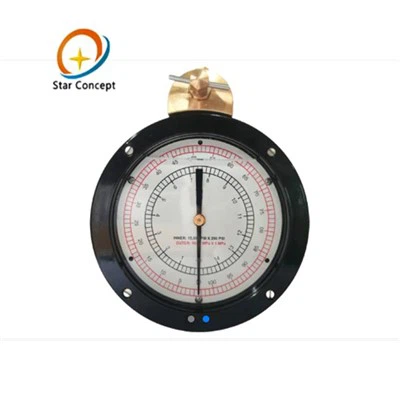
As a Pump Parts and Repair supplier, we have the expertise and the products to help you with all your pump pressure adjustment needs. Whether you need new pump parts, repair services, or advice on the best pressure adjustment method for your system, we’re here to assist you.
Drilling Equipment If you’re interested in learning more about our products and services or have any questions about pump pressure adjustment, please don’t hesitate to contact us. We look forward to working with you to ensure the efficient operation of your pump system.
References
- [Pump Handbook, 4th Edition](author: Igor J. Karassik, Joseph P. Messina, Paul Cooper, and Charles C. Heald)
- [Guide to Pump Maintenance and Troubleshooting](author: Various industry experts)
Dongying Star Concept Petroleum Equipment Co., Ltd.
We are one of the most professional pump parts and repair manufacturers and suppliers in China. With abundant experience, we warmly welcome you to buy durable pump parts and repair made in China here from our factory. Good service and quality products are available.
Address: No. 9 Xisi Road, Dongying City, Shandong Province, China
E-mail: ellen@starconcept.cn
WebSite: https://www.star-cementing.com/
