As a reputable supplier of CNG Daughter Stations, I’ve witnessed the industry’s evolution and understand the importance of top – notch design. In this blog, I’ll share some of the best – practice cases of CNG Daughter Station design that have proven to be highly efficient and reliable in the real world. CNG Daughter Station

1. Site Selection and Layout Design
One of the most successful cases I’ve been involved in was a CNG Daughter Station located near a major transportation hub. The site selection was crucial as it needed to be easily accessible for a large number of vehicles, including trucks and buses. A well – designed layout was implemented to ensure seamless traffic flow.
The station was divided into distinct zones: the vehicle queuing area, the refueling area, and the compressor and storage area. The queuing area was designed with adequate space to accommodate multiple vehicles at once, reducing waiting times. The refueling area had a clear separation between fast – fill and slow – fill dispensers. This separation allowed different types of vehicles to be refueled simultaneously without causing any congestion.
The compressor and storage area was strategically placed at a safe distance from the refueling and queuing areas to minimize the risk of accidents. Additionally, proper ventilation was installed to keep the area safe from potential gas leaks. The layout also considered future expansion, with预留空间for additional dispensers and storage tanks as the demand for CNG fuel increased.
2. Compressor System Design
A CNG Daughter Station in a highly industrialized area had an outstanding compressor system design. The station used a combination of reciprocating and screw compressors. The reciprocating compressors were chosen for their high – pressure capabilities, which were ideal for fast – fill operations. The screw compressors, on the other hand, were more energy – efficient for continuous low – pressure compression required for slow – fill operations.
The compressor system was equipped with advanced control systems. These systems could automatically adjust the compression process based on the real – time demand for CNG. For example, during peak hours when more vehicles needed fast refueling, the reciprocating compressors would be ramped up, while the screw compressors would operate at a lower capacity. This not only improved the overall efficiency of the station but also reduced energy consumption.
Moreover, the compressors were installed on vibration – isolation mounts to reduce noise and prevent damage to the surrounding infrastructure. Regular maintenance and monitoring were embedded in the design, with built – in sensors that could detect any potential issues in the compressor system, such as abnormal temperature or pressure changes, allowing for timely repairs.
3. Storage System Design
In a CNG Daughter Station serving a large fleet of municipal buses, the storage system was a key highlight. The station utilized a cascade storage system, which consisted of multiple storage tanks divided into high – pressure, medium – pressure, and low – pressure groups.
The cascade system was designed to optimize the refueling process. When a vehicle arrived at the station, it would first be connected to the low – pressure storage tanks. As the pressure in the vehicle’s tank increased, the system would automatically switch to the medium – pressure and then the high – pressure tanks. This step – by – step refueling process not only reduced the refueling time but also ensured a more efficient use of the stored CNG.
The storage tanks were made of high – quality materials that could withstand high pressures and harsh environmental conditions. They were also equipped with safety valves and pressure relief devices to prevent over – pressurization. In addition, the storage system was designed with redundant features. For instance, if one storage tank needed maintenance or developed a problem, the other tanks could continue to supply CNG to the dispensers, minimizing downtime.
4. Dispenser System Design
A CNG Daughter Station in a busy urban area had an innovative dispenser system design. The dispensers were designed to be user – friendly, with large, easy – to – read displays that provided real – time information about the refueling process, such as the amount of CNG being dispensed, the cost, and the remaining pressure in the vehicle’s tank.
The dispenser nozzles were ergonomically designed for easy handling, even by drivers wearing gloves. They were also equipped with quick – connect and disconnect features, which significantly reduced the time required for connecting and disconnecting the dispenser to the vehicle’s CNG tank.
To ensure the accuracy of the refueling process, the dispensers were calibrated regularly. The calibration equipment was integrated into the dispenser system, allowing for on – site calibration checks. This not only improved the reliability of the refueling process but also increased customer satisfaction.
5. Safety and Environmental Considerations
In all the best – practice cases, safety and environmental considerations were at the forefront of the design. All CNG Daughter Stations were equipped with multiple safety features, such as gas leak detectors, emergency shutdown systems, and fire suppression systems.
The gas leak detectors were installed throughout the station, including in the compressor and storage areas. They were designed to detect even the smallest gas leaks and immediately trigger an alarm. The emergency shutdown systems could quickly shut down all equipment in case of an emergency, such as a large – scale gas leak or a fire.
In terms of environmental protection, efforts were made to reduce emissions. For example, in the compressor system, advanced gas treatment technologies were used to remove impurities from the CNG, which not only made the fuel cleaner but also reduced the emissions from the vehicles using the CNG. The stations were also designed to minimize noise pollution, with the use of sound – insulating materials in the compressor and dispenser areas.
6. Remote Monitoring and Control Systems
A modern CNG Daughter Station we supplied to a far – flung area had a state – of – the – art remote monitoring and control system. This system allowed the station operators to monitor and control all aspects of the station’s operations from a central location.
The remote monitoring system could collect data on various parameters, such as the pressure and temperature in the storage tanks, the performance of the compressors, and the flow rate of the dispensers. If any abnormal conditions were detected, the system could send real – time alerts to the operators’ mobile devices.
The control system enabled the operators to remotely start or stop the compressors, adjust the pressure settings in the storage tanks, and even perform diagnostic tests on the equipment. This remote functionality not only improved the efficiency of the station’s operations but also reduced the need for on – site personnel, especially in areas where access was difficult.
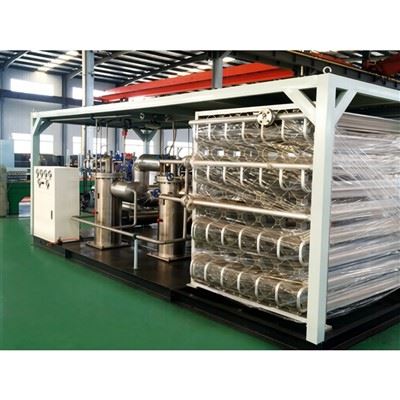
In conclusion, these best – practice cases of CNG Daughter Station design demonstrate the importance of a comprehensive approach that considers site selection, system design, safety, and environmental factors. If you are looking to build a CNG Daughter Station or upgrade your existing one, I invite you to contact us for a detailed discussion. Our team of experts can provide you with customized solutions based on your specific needs and requirements.
CNG Mother Station References:
- Industry standards and guidelines for CNG station design.
- Case studies and reports from previous CNG Daughter Station projects.
- Technical literature on CNG equipment and systems.
Qingdao Lenado Intelligent Equipment Co., Ltd.
Qingdao Lenado Intelligent Equipment Co., Ltd. is one of the most experienced CNG daughter station manufacturers and suppliers in China. We have world-leading production equipment and strong manufacturing capabilities. Please rest assured to wholesale bulk customized CNG daughter station from our factory.
Address:
E-mail: genkegasstation@163.com
WebSite: https://www.cnggasstation.com/
