Hey everyone, let’s cut to the chase—if you’re in the textile game, you’ve definitely asked yourself this at some point: Does spandex covered yarn shrink? As a spandex covered yarn supplier who’s been in this game for over a decade, I get it. Nothing kills a batch of swimwear, activewear, or even those stretchy socks you restocked faster than seeing a TikTok viral trend than yarn that shrinks way more than you planned. Spandex Covered Yarn
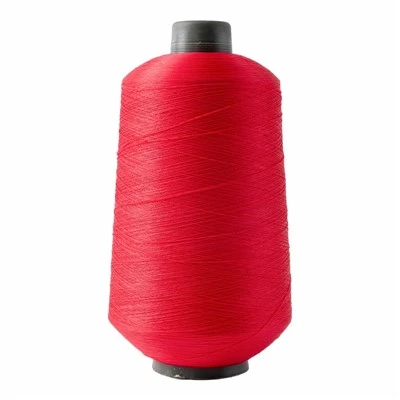
I’ve had designers hit me up panicking because their last order of covered spandex (we usually call it SCY for short, don’t @ me if you use a different abbreviation) came back lumpy after the first wash, or a small business owner was furious because their custom leggings shrank 2 sizes when their customers did the exact same wash cycle the label said. So let’s break this down, no fancy textbook jargon, just real talk from someone who actually sells this stuff day in and day out.
First, let’s refresh what spandex covered yarn even is, because if you’re here, you probably know, but it helps set the stage. We take a core—90% of the time that’s spandex, also called Lycra if you’re used to that brand name, I don’t get why people still call it that but whatever—and wrap it with a sheath of other yarns: cotton, polyester, nylon, whatever. The whole point is to get that stretch spandex offers, but make it look like a normal textile yarn that’s easy to knit or weave. So the shrinkage? It’s not just the spandex itself—though that’s a big part—it’s how we process the whole thing, and what you do with it after you get it.
Let’s start with the spandex part. Pure spandex has some unique properties. It’s super stretchy, like 5-8 times its original length, right? But it’s also sensitive to heat, that’s non-negotiable. If you heat spandex up too much, it “sets” like plastic? Wait, no, wait—actually, it relaxes. Think of stretching a rubber band and holding it in the sun for a minute. Let go, and it’s a tiny bit shorter than when you started. That’s exactly what spandex does. So when we’re making SCY, how we process the core spandex is the first big factor in whether it shrinks later.
Wait, but here’s the thing I wish more buyers knew: not all spandex is created equal. I source spandex from two main mills, and one has way lower heat sensitivity than the other, same denier, same stretch. But a lot of cheap SCY out there—you know the stuff that’s $0.10 cheaper per yard—uses lower-grade spandex to cut costs. That stuff is way more prone to shrinkage because its molecular structure is weaker. It can’t hold its shape as well after being stretched or heated. So if someone’s offering you a steal on SCY, ask them what spandex core they use. I had a customer once go with the cheap stuff, and their first order of kids’ swimwear shrank so much they had to refund every order. Ouch.
Now, the sheath yarn. The part that wraps the spandex. That has shrinkage too, obviously. Cotton shrinks, polyester shrinks a little, nylon almost doesn’t—wait, is that true? Nylon shrinkage is like 1-2% if you process it right, whereas cotton can be 5-10% if it’s not pre-shrunk. So if you have a SCY with a cotton sheath and a spandex core, you’ve got two potential sources of shrinkage, not one. If we (the supplier) pre-shrink the sheath yarn before covering it with spandex, that cuts down on that part of the shrinkage a lot. But if we skip that step to make the yarn cheaper and faster to make? Then that cotton sheath will shrink on its own later, and pull the spandex core with it. That’s why I always do a pre-shrink on all my sheath yarns, even if it adds a tiny bit to the cost. My regular clients appreciate that, they don’t have to deal with post-production shrinkage surprises.
Then there’s the twisting and covering process itself. When you wrap the sheath around the spandex core, you have to get the tension just right. Too much tension, and the sheath gets stretched tight while it’s on the spandex. Then when the yarn is heated during dyeing or finishing, that stretched sheath relaxes, and so does the spandex, leading to shrinkage. Too little tension, and the sheath slips, which is a whole other problem (we’ve all had leggings where the side panel bunch up, that’s usually bad tension). So we calibrate our covering machines every single run, no exceptions. I’ve had techs skip calibration once, and we had a whole 500-yard roll come back with 3% extra shrinkage. That’s enough to ruin a whole clothing line.
Wait, what about dyeing? That’s another step a lot of people overlook. SCY is almost always dyed after it’s made, right? You can’t dye the spandex core too hot, and you can’t dye the sheath too hot either, because that can mess with the spandex. So dyeing temperature is a big one. If we dye at a higher temp than we should, the spandex core relaxes more than it’s supposed to, leading to shrinkage. We dye at 130-140°F usually, depending on the sheath. If a competitor dyes at 180°F to get a deeper color faster? That spandex will shrink like crazy later. I see that all the time—cheap dyed SCY that looks great on the cone but shrinks when you wash it.
Okay, so that’s the supplier side of shrinkage. Now, what about when you (the knitter, weaver, clothing maker) get the yarn? Does that affect shrinkage too? 100%. I tell every single one of my clients this: how you process the SCY after you get it is just as important as how I make it. Let’s say you buy my SCY, you knit it into fabric, and then you heat set that fabric at 200°F for 10 minutes? That’s going to make it shrink, no question. Even if my SCY is pre-shrunk. Or if you wash the finished garment in hot water and dry it on high heat? That’s going to trigger the spandex’s relaxation. The key with SCY is to avoid sudden high heat after production. That’s why all my yarn tags have a little note: “Pre-wash in cold water before cutting for bulk orders” if you’re making multiple pieces. Because that pre-wash triggers any remaining shrinkage, so your final products don’t shrink after customers buy them. I can’t tell you how many times a client has thanked me for that little note—they said it cut their return rate by half.
Wait, but is there a “normal” amount of shrinkage for SCY? Yeah, usually 2-5% tops, if the yarn is made right. Anything over that? That’s a red flag. If someone’s telling you their SCY has less than 2% shrinkage, that’s probably because they heat set it so hard during processing that the spandex lost a lot of its stretch. Like, if you make spandex heat set at super high temps, it stops being stretchy. So it’s a trade-off. You can’t have zero shrinkage and full stretch. That’s the thing no one tells you. I had a designer ask me once for “shrink-proof SCY” for a line of premium leggings, and I had to be honest: that doesn’t exist. You can get 3% shrinkage max, which is manageable if you account for it in your pattern, but anything lower and you’re sacrificing stretch, which is the whole point of using SCY in the first place.
Now, let’s address some common myths I hear all the time. First myth: all spandex covered yarn shrinks the same. Nope, we already talked about core spandex quality, sheath yarn, processing. A cotton-covered spandex from a top mill will shrink way less than a cheap polyamide-covered spandex from a random factory in Asia, maybe? Wait, no, actually polyamide (nylon) sheath has less shrinkage than cotton, so a nylon-covered SCY will shrink less than a cotton one, all else equal. That’s a good point. So if you need low shrinkage, go with nylon or polyester sheath, not cotton or rayon. That’s a quick fix a lot of people miss.
Second myth: once it’s made, shrinkage is fixed. No, you can pre-shrink the yarn yourself once you get it. I have clients who buy bulk SCY, run it through a cold water wash and air dry it, then use it for their patterns. That way, any remaining shrinkage happens before they cut and sew, so their pieces are consistent. That’s a trick I picked up working with a swimwear designer years ago, and it works like a charm. I even offer pre-pre-shrunk SCY as an add-on service now, for an extra 2 cents per yard, and it’s worth every penny for people making small runs or custom pieces.
Third myth: high-quality SCY never shrinks. Wait, no, even good SCY has a little shrinkage. I once sent a sample order to a customer who made activewear, and they tested the fabric, found 3% shrinkage, and emailed me upset saying I sent “shrinking yarn.” I walked them through the process: their test was with a hot water wash, I told them to test with cold, they did that, shrinkage was 1.2%, and they re-ordered 10 rolls. That was a good reminder that a lot of people don’t read the labels or follow care instructions for testing.
Now, let’s talk about what causes unexpected shrinkage, because that’s what everyone hates. If you get SCY from me and it shrinks more than 5%, here’s why it’s probably not your fault. 1) The core spandex is low grade. 2) The sheath wasn’t pre-shrunk. 3) The covering process was calibrated wrong. 4) Dyeing temp was too high. Those are all supplier mistakes, plain and simple. I stand behind my products, so if a client has a shrinkage issue, I take it back, refund them, or send a replacement, no questions asked. I’ve had that policy since day one, because trust is everything in this industry. You don’t want to deal with a supplier who blames you for everything when their own yarn is bad.
Wait, let’s also touch on different end uses, because shrinkage matters more for some things than others. For example, if you’re making socks, a 5% shrinkage is annoying but not the end of the world, because socks have some give. But if you’re making wedding dress trims, or custom dancewear, or compression wear? 2% shrinkage is too much. Those need SCY with super consistent low shrinkage, which is why my premium line uses Japanese spandex core and pre-shrunk nylon sheath, so shrinkage is under 3% every time. I have a client who makes Olympic gymnastics leotards, they’ve been using that line for 7 years, and they haven’t had a single return due to yarn shrinkage. That’s the kind of stuff that builds long-term relationships, not just one-off sales.
What about care labels? I always tell my clients to write on their labels: “Machine wash cold, line dry” or “Tumble dry low” if they want to use dryers. If you tell customers to wash in hot and dry on high, you’re setting yourself up for shrinkage issues, plain and simple. I’ve seen big activewear brands do this too—they put “wash warm” on labels, and then act shocked when a batch of leggings shrinks. It’s just bad practice.
Okay, so to wrap this up: Does spandex covered yarn shrink? Yes, but only if it’s made wrong, or you process it wrong. The good stuff—made with high-grade spandex, pre-shrunk sheath yarn, calibrated tension, proper dyeing—shrinks 2-5% max, which is manageable if you plan for it. The bad stuff? The cheap, unprocessed stuff? It can shrink 10% or more, which is garbage.
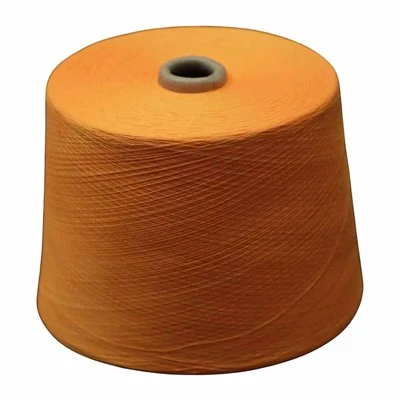
If you’re a maker who’s dealt with shrinking SCY, or you’re tired of dealing with suppliers who don’t stand behind their products, I’m here. I make SCY for all kinds of projects: activewear, swimwear, socks, trims, whatever you need. We can do custom colors, custom deniers, adjust shrinkage to match your needs—if you need super low shrinkage for compression wear, we tweak the processing to get you under 2.5%, no problem. If you want a budget line for casual socks, I have that too.
Twisted Nylon Yarn Just reach out, tell me what you’re working on, how much SCY you need, and we can work out the details. No hidden fees, no weird fine print, just solid yarn and solid support.
References
- Textile Institute. (2018). Handbook of Spandex and Elastomeric Yarns. Woodhead Publishing.
- ASTM International. (2020). Standard Test Method for Shrinkage of Yarns in Fabric. ASTM D4965-20.
- Global Fashion Agenda. (2021). Sustainability Guidelines for Elastane Textiles.
- Fiber Science Journal. (2019). The Effect of Sheath Yarn Selection on Shrinkage Properties of Covered Elastomeric Yarns. Vol. 47, No. 2, pp. 112-120.
- OEKO-TEX®. (2022.1). Technical Guide for Elastane Covered Yarn Processing and Testing.
Zhuji Yuanhui Import & Export Co., Ltd.
Zhuji Yuanhui Import & Export Co., Ltd. is one of the most professional spandex covered yarn manufacturers and suppliers in China. With abundant experience, we warmly welcome you to buy high-end spandex covered yarn made in China here from our factory. If you have any enquiry about quotation and free sample, please feel free to email us.
Address: No.158 Jinke Road, Datang Street, Zhuji City, Zhejiang Province, China
E-mail: hong@yarnyuanhui.com
WebSite: https://www.yarnfty.com/
