Hey everyone, if you’ve ever spent good money on an electric sprayer—whether you use it for your garden, your small farm, or even the occasional DIY project around the house—you know how frustrating it is when that thing won’t fire up when you need it next. I’ve been an electric sprayer supplier for over 10 years, and let me tell you, 90% of the “broken” sprayers customers send back aren’t actually broken at all. They were just stored like trash, left sitting in a damp garage with old gunk clogging the nozzle, or dead batteries that corroded through the terminals. Storing your electric sprayer properly isn’t rocket science, but skipping even one step can cut its life in half (and cost you a new one way sooner than you need it). Today, I’m breaking down exactly what to do, no fancy tools or confusing jargon required. Electric Sprayer
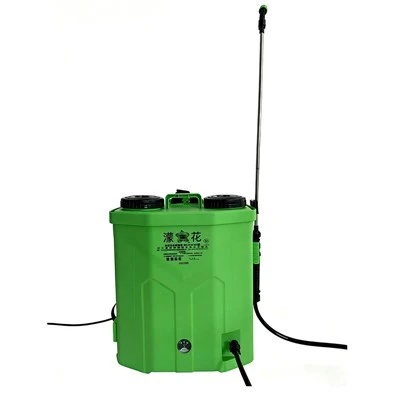
First off, let’s start with the most important part that almost everyone messes up: emptying and cleaning the tank. I see so many people just dump whatever liquid was in the tank and call it a day, but that’s a huge mistake. If you left fertilizer, pesticide, or even just plain water sitting in that tank for weeks, it’s going to build up residue. That residue doesn’t just clog the nozzle—over time, it eats away at the plastic seals and the inner pump, which is the most expensive part of the whole sprayer. Here’s what I actually do with my own sprayers after every use, not just what I tell my customers: first, take off any leftover chemical bottles (if you use a separate mixing setup) and seal them up tightly so they don’t spill. Then, pour any remaining liquid out—don’t leave even a little splash in there. Next, fill the tank about a quarter full with clean water, add a tiny drop of dish soap (the kind you use for dishes, not the heavy-duty degreaser), screw the cap back on, and run the sprayer for 30 seconds. That circulates the soapy water through the hose, nozzle, and pump, getting rid of all the gunk. After that, empty the soapy water, rinse the tank a couple more times with plain water, and then—this is key—wipe the inside of the tank with a dry paper towel. Moisture trapped in there is a breeding ground for mold and bacteria, which will ruin the next batch of spray mix and also break down the tank material. If you used something really sticky like a thick fertilizer or a heavy-duty disinfectant, you can add a little white vinegar to the water for that rinse (like 1/4 cup per gallon) to cut through the residue, just make sure you rinse it really well afterward so no vinegar smell gets into your next use.
Next up, the nozzle and hose. Those little nozzles are tiny, right? Even a tiny speck of dried gunk can block them completely, and trying to unclog them with a pin or a toothpick usually makes the hole bigger, which means your spray pattern is all messed up next time. Here’s the right way to clean them: after you do that soapy water rinse I mentioned earlier, unscrew the nozzle from the end of the hose. Soak it in that same vinegar water mix for about 10 minutes if it’s really clogged, then take an old toothbrush (the soft kind, not the stiff one you use for scrubbing grout) and gently brush the front and back of the nozzle to get rid of any loose residue. Don’t use anything metal to poke through the hole—plastic picks work, but a soft toothbrush is way less likely to damage it. Then, the hose: straighten it out as much as you can, let it dry completely stretched out, not coiled up. If you coil it when it’s even a little damp, it can develop kinks that make the hose weak over time, and if there’s moisture inside, it can cause the inside of the hose to rot. I always hang my hose over a garden hose hanger in a cool, dry spot to air out, or lay it straight on a workbench if I don’t have a hook.
Now, the battery. This is probably the number one issue I hear about from customers: their battery died and now it won’t hold a charge, or it’s all corroded. Lithium-ion batteries are super common in electric sprayers these days, and they’re way more sensitive to storage than old lead-acid ones. First, never store your battery fully charged or completely dead. The sweet spot is about 50% charge. How do you get it to that point? Well, if it’s at 100% when you finish using it, turn it on and let it run for a minute or two to drain it down to half. If it’s totally dead, charge it for 10-15 minutes, don’t let it stay on the charger overnight while it’s not in use. Also, always remove the battery from the sprayer before storing it—even if it’s turned off, if it’s left in the unit, small electrical draws can drain it over time, and if there’s any moisture, it can cause corrosion on the battery terminals and the sprayer’s battery port. When you store the battery, keep it in a cool, dry place—don’t leave it in the trunk of your car or in a damp basement where temperatures swing a lot. Extreme heat or cold kills lithium-ion batteries fast. And don’t store it near metal tools or other batteries that can short-circuit it—wrap it in a soft cloth or put it back in the plastic case it came in to keep it safe. If you’re not going to use the sprayer for more than a month, charge the battery to 50% every 3 months just to keep it healthy. A lot of people forget that, and when they go to use it in the spring, the battery is totally dead and won’t charge anymore.
What about the rest of the sprayer body? The main unit, the pump housing, the control panel. Wipe it down with a damp cloth (not soaking wet) to get rid of dirt, grass clippings, or any spray mix that splashed on it. If you have a sprayer with buttons, don’t get water under the buttons—use a slightly damp cotton swab to clean around them. Then, make sure all the parts are totally dry before putting it away. If you store a wet sprayer, the plastic parts can get stained, and metal parts (like any screws or the pump shaft) can rust. Rust is a big one—once rust gets into the pump, it’s basically toast, you’ll have to replace the whole pump, which is almost as much as a new sprayer.
Now, where to store it. A lot of people think “stick it in the garage” but garages can be super hot in the summer and freezing in the winter, plus they’re often damp if you live somewhere with high humidity. A closet in your basement that’s climate-controlled? Or a shed that’s insulated? If you don’t have that, at least try to keep it off the floor, because dampness seeps up from the ground. Put it on a shelf or a workbench so the bottom of the sprayer isn’t sitting on cold, damp concrete. Also, keep it away from any harsh chemicals—like gasoline or fertilizer bags—because fumes from those can eat away at the plastic on your sprayer over time. If you have kids or pets, maybe put it in a locked spot, but that’s more of a personal thing.
Wait, what if you’re storing it for the winter, not just a week? A lot of people put their sprayers away for 3-4 months in the off-season, so those extra steps matter even more. For winter storage, I always recommend draining the pump as well, not just the tank. Some sprayers have a little drain valve on the pump, if yours does, open that and let all the water (or vinegar mix) come out. If it doesn’t, you can take the hose off the pump, tip the sprayer upside down for a minute, and pump the trigger a few times to get all the liquid out. That way, there’s zero moisture left in the pump, which is the last place you want it to freeze and crack in the cold. Oh, and if you use a lead-acid battery (those are the big, old-style ones, not the slim lithium-ion ones), make sure you charge it fully before storing it for the winter, and then charge it every 6 weeks because lead-acid batteries self-discharge faster than lithium.
Let me run through a quick common mistake I see all the time. Last month, a customer sent back a sprayer that wouldn’t spray evenly—they said it was brand new, only used twice. When they brought it in, the nozzle was so clogged with dried lawn fertilizer I could barely see the hole. They just dumped the leftover fertilizer and put it back in the garage, no cleaning. I cleaned the nozzle, ran the soapy water cycle, and it works fine now. That’s the thing—most of these problems are preventable with 5 minutes of extra work after using your sprayer.
Another question I get: can I use a pressure washer to clean my sprayer? Short answer: don’t. Pressure washers are way too powerful, and they can damage the seals and the hoses on your electric sprayer. The tiny seals in the pump aren’t meant for high pressure, and a strong jet of water can force water into the battery compartment or the control panel, causing electrical issues. Stick to soapy water, a toothbrush, and a little vinegar for tough gunk.
What about storage bags or cases? If you use your sprayer a lot, investing in a good, breathable storage bag is worth it. It keeps dust off, protects the nozzle from getting bent or damaged, and keeps all the parts together so you don’t lose the nozzle or the hose. Just make sure the bag is totally dry before you put the sprayer inside—no moisture trapped in there.
Let me recap the whole process, so it’s easy to remember: 1) Empty all liquid from the tank, hose, and nozzle. 2) Run soapy water through the sprayer, clean the nozzle, hose, and tank interior. 3) Let every single part dry completely. 4) Remove the battery, charge it to 50%, and store it separately in a cool, dry place. 5) Put the sprayer unit in a cool, dry spot, off the floor, away from harsh fumes. 6) For long-term storage, check the battery charge every 3 months, and drain all pump moisture.

If you follow these steps, your electric sprayer will last twice as long as someone who just shoves it in the corner. I’ve seen customers have sprayers that are 7 or 8 years old because they stored them right, and others that die after one season because they skipped the cleaning step. It’s not hard, it just takes a little consistency.
Powder Sprayer Now, if you’re in the market for a new electric sprayer, or you need replacement parts for the one you have, feel free to reach out to us. We’ve got all kinds of models for gardens, farms, and even commercial use, and our team can help you pick the right one for your needs. Don’t wait until your current sprayer dies—proper storage helps, but sometimes you need an upgrade, and we’re here to make that easy.
References
- Consumer Reports. "How to Maintain and Store Garden Tools and Equipment," 2022.
- Environmental Protection Agency. "Proper Storage of Pesticide Application Equipment," 2021.
- Battery University. "Lithium-Ion Battery Storage Guidelines," 2023.
- University of California Agriculture and Natural Resources. "Maintaining Small Farm Irrigation and Sprayer Equipment," 2020.
Zhejiang Menghua Sprayer Co., Ltd.
As one of the most experienced electric sprayer manufacturers in China, we have world-leading production equipment and strong manufacturing capabilities. Please feel free to buy advanced electric sprayer for sale here from our factory. For price consultation, contact us.
Address: No.5, Houshi Road, Beicheng Street, Huangyan District, Taizhou, Zhejiang
E-mail: sales@menghua-sprayer.com
WebSite: https://www.menghua-sprayer.com/
