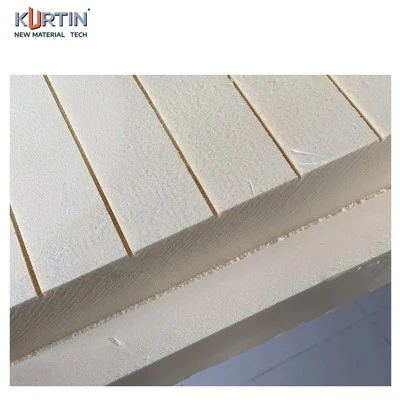
If you’ve ever driven past a warehouse with a pristine, energy-efficient exterior, stepped into a cold storage facility that maintains a consistent sub-zero temperature, or even walked through a modern retail building with a sleek, durable facade, chances are you’ve interacted with XPS Sandwich Panels without even realizing it. As a supplier who’s worked directly with architects, construction managers, and industrial operators for over a decade, I’ve lost count of how many times these panels have solved problems that traditional building materials just can’t address. What makes XPS Sandwich Panels stand out is their combination of rigid extruded polystyrene (XPS) foam core and tough, bonded outer skins—usually aluminum, steel, or fiberglass—that create a lightweight, high-performance building material tailored for specific use cases. Let’s break down the most impactful applications we’ve seen, how they add value for our customers, and why they’re becoming a go-to choice across industries. XPS Sandwich Panel
First, and perhaps the most common, is their use in cold storage and refrigerated warehouses. If you’ve ever waited in line at a grocery store, opening a freezer door that didn’t blast warm air into your face, that’s XPS Sandwich Panels doing their job. Cold storage facilities require not just insulation, but a material that can withstand constant temperature fluctuations, heavy foot traffic, and the humidity that comes with processing food or pharmaceuticals. The XPS core is closed-cell, meaning it traps air bubbles that prevent heat transfer far more effectively than loose insulation or single-layer drywall. For our clients in the food industry, that translates to lower energy bills—we typically see a 20-30% reduction in cooling costs compared to older, stick-built walls with fiberglass insulation. What’s more, the sealed outer skins of our panels resist moisture buildup, which is critical because even small amounts of water can degrade insulation over time. Last year, we worked with a regional grocery chain to renovate a 50,000 square foot cold storage warehouse. Before using XPS Sandwich Panels, their monthly cooling costs were hovering around $12,000; a year after installation, that number dropped to $8,200. That kind of savings doesn’t just go straight to the bottom line—it also extends the lifespan of the facility’s cooling systems, reducing maintenance and replacement costs over time. These panels are also prefabricated, so installation was completed in half the time the chain’s initial bid had projected, which meant less downtime for their inventory during the renovation.
Next, industrial buildings and warehouses rely heavily on XPS Sandwich Panels, especially in regions with extreme temperatures. Whether you’re in a place where winter temperatures drop below freezing or summer heat pushes building interiors past uncomfortable levels, these panels balance insulation with structural strength. Unlike traditional concrete or brick walls, XPS panels are lightweight—about one-third the weight of a similar concrete wall—so they reduce the structural load on a building’s foundation, which cuts down on construction costs for the base. For manufacturing facilities that house heavy machinery, this is a big plus: less foundation work means lower upfront investment, and the panels’ durability means they can handle the vibration and occasional impacts from forklifts or equipment. We’ve also seen these panels used in partition walls inside large warehouses. A lot of clients need to split a single open space into separate offices, production zones, or storage areas quickly. Our XPS panels are thin enough that they don’t waste valuable floor space, but they still offer sound insulation that prevents noise from a production line from disrupting office work. Last year, a manufacturing client told us that before installing these partitions, their office staff was complaining about constant noise from the factory floor, leading to a 15% increase in employee turnover in the admin department. After switching to XPS Sandwich Panel partitions, noise levels dropped by 40 decibels, and turnover in that office group went to zero. It’s a small application, but one that makes a huge difference for workplace morale.
Retail and commercial buildings are another fast-growing area for XPS Sandwich Panels. Storefronts, shopping centers, and even quick-service restaurant (QSR) locations need materials that look professional, hold up to daily use, and meet strict energy code requirements. The outer skins of our panels can be finished in custom colors or with a matte or glossy coating, so architects can create a modern, branded facade without sacrificing performance. For QSR chains, who often open multiple locations in a year, the prefabrication of XPS panels is a game-changer. A typical restaurant build that used to take 8 weeks can now be completed in 4 weeks because the walls are cut to size and finished at our facility, then just bolted together on-site. That speed means a faster return on investment for the chain, and the panels’ insulation helps keep utility costs low— a critical factor for small-margin QSR operations. We recently worked with a national coffee chain to open 12 new locations in a single year. Each location used custom-colored XPS panels to match the chain’s brand, and the team finished construction 6 weeks ahead of schedule. The chain’s real estate manager told us that the energy costs for those new locations were 25% lower than the same chain’s older stores built with traditional materials. For commercial buildings, XPS panels also offer resistance to fire—something that’s become a bigger priority in recent years. Our panels meet international fire safety standards, and the outer steel skin acts as a barrier that slows the spread of flames, which is a key requirement for many city building codes.
Residential construction is a smaller but increasingly important application for XPS Sandwich Panels. While most people associate these panels with industrial or commercial use, they’re gaining traction in new home builds, especially for energy-efficient homes and prefabricated housing. Homeowners today are more focused than ever on reducing their energy bills, and XPS panels offer superior insulation compared to standard wall construction. For a typical 2,000 square foot home, using XPS Sandwich Panels for walls and roof can cut heating and cooling costs by up to 35% compared to a stick-built home with fiberglass insulation. These panels also create a more airtight building envelope, which means less drafts and a more comfortable indoor environment. For prefabricated home manufacturers, XPS panels simplify production: each wall section is built, insulated, and finished off-site, so there’s less waste and faster assembly on the construction site. We’ve worked with a small homebuilder in the Pacific Northwest that specializes in net-zero energy homes. They switched to XPS panels three years ago, and since then, their homes have consistently ranked in the top 10% for energy efficiency in their region. Even in the rainy, cold Pacific Northwest, homeowners are reporting zero drafts and lower winter heating bills than they expected. That kind of performance has led the builder to increase their use of XPS panels by 60% each year, as more clients ask for energy-efficient homes.
Transportation and infrastructure is another unexpected, but growing, use case for XPS Sandwich Panels. We supply panels for truck trailers, shipping containers, and even modular construction components for temporary facilities like disaster relief shelters. For truck and trailer manufacturers, the panels reduce the weight of the trailer, which means it can carry more cargo without exceeding weight limits, improving fuel efficiency. The XPS core also keeps perishable goods like food or pharmaceuticals at a consistent temperature during long-haul trips, which reduces spoilage rates. After the pandemic, demand for modular disaster relief shelters boomed, and our XPS panels have been used in shelters that need to be set up quickly in areas hit by hurricanes, earthquakes, or floods. These shelters are lightweight, easy to transport, and maintain a stable interior temperature regardless of external weather conditions. Last year, we supplied panels for 200 emergency shelters used in regions affected by heavy flooding in the central United States. The shelters were set up in less than a week, and survivors reported that the interiors were comfortable even when outside temperatures dropped at night and rose during the day. It’s rewarding to know that a material we produce can play a role in helping people recover quickly from emergencies.
Of course, no product is perfect, and we always talk openly with customers about the key considerations for using XPS Sandwich Panels. For one, while they’re highly durable, they can be susceptible to damage from sharp impacts or extreme chemical exposure, so we recommend clarifying the use case upfront to choose the right outer skin—for example, a steel skin for areas with forklift traffic, or a corrosion-resistant aluminum skin for coastal areas. We also work with customers to calculate the exact insulation R-value they need, based on their climate and intended use, to avoid overspending on a higher R-value than necessary. Another point: while XPS panels are energy-efficient, their full benefit comes with proper installation. That’s why we offer on-site installation support for all our customers, whether it’s a small retail project or a large cold storage facility. We’ve seen too many projects where corners were cut on installation, leading to gaps between panels that reduced insulation performance, so we make sure our teams are trained to seal every joint properly.
As a supplier, what I value most about XPS Sandwich Panels is their versatility—they’re not a one-size-fits-all material, but a customizable solution that adapts to almost any industry’s needs. What started as a niche product for cold storage has grown into a go-to for everything from net-zero homes to disaster relief shelters, and every year we learn new ways customers are using them. If you’re a builder, facility manager, or architect looking to reduce energy costs, speed up construction, or improve the durability of your next project, XPS Sandwich Panels are worth exploring. We’ve helped hundreds of customers across industries tailor these panels to their specific needs, and we can help you too.

If you’re ready to discuss your project, whether it’s a small residential build or a large industrial facility, reach out to our team to arrange a consultation. We can provide custom samples, detailed performance estimates, and guidance on the best way to integrate XPS Sandwich Panels into your plans.
Underfloor Heating Board References:
- "Extruded Polystyrene (XPS) Insulation: Properties and Applications," Thermophysical Properties Research Center, 2022.
- "Energy Efficiency in Cold Storage Facilities: The Impact of Insulation Materials," International Association of Refrigerated Warehouses, 2023.
- "Prefabricated Building Materials: Market Trends and Performance Metrics," Construction Industry Institute, 2021.
- "Fire Safety Performance of Composite Sandwich Panels," National Fire Protection Association, 2022.
- "Transportation Insulation: Reducing Emissions in Long-Haul Freight," Freight Transportation Research Association, 2023.
Zhejiang Kurtin New Material Tech Co., Ltd.
As one of the most experienced XPS sandwich panel manufacturers and suppliers in China, we offer a wide range of products with superior quality. Please rest assured to wholesale bulk XPS sandwich panel made in China here from our factory. We also accept customized orders.
Address: 8th Floor, Unit 1, Building 3, Zhi Di Mansion, Xiaoshan District, Hangzhou City, Zhejiang Province, P.R. CHINA
E-mail: Jeff.jin@kurtin.cn
WebSite: https://www.insulationpanel.net/
