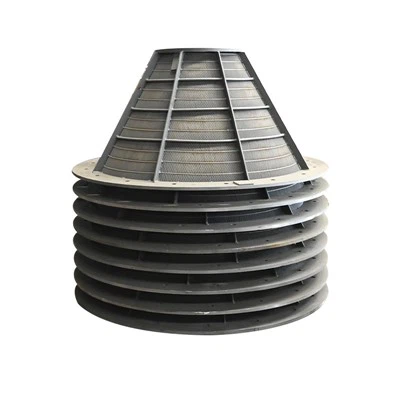
Sintered fibre felt material is a remarkable innovation in the field of filtration and material science. As a supplier of sintered fibre felt material and filters, I have witnessed firsthand the numerous advantages that this material offers. In this blog, I will delve into the key benefits of sintered fibre felt material, highlighting why it is an ideal choice for a wide range of applications. Sintered Fibre Felt Material and Filter
High Filtration Efficiency
One of the most significant advantages of sintered fibre felt material is its exceptional filtration efficiency. The unique structure of sintered fibre felt consists of a three – dimensional network of fine fibres. These fibres are randomly arranged, creating a large number of tortuous paths for the fluid or gas to pass through. As a result, the material can effectively capture and retain particles of various sizes, from large debris to sub – micron particles.
The high porosity of sintered fibre felt allows for a large volume of fluid or gas to flow through while maintaining a high level of filtration. This means that it can achieve a high dirt – holding capacity, reducing the frequency of filter replacements. For example, in industrial applications such as hydraulic systems, sintered fibre felt filters can efficiently remove contaminants, protecting expensive equipment from damage and ensuring smooth operation.
Chemical Resistance
Sintered fibre felt material exhibits excellent chemical resistance. It can withstand exposure to a wide range of chemicals, including acids, alkalis, solvents, and corrosive substances. This makes it suitable for use in harsh chemical environments, such as chemical processing plants, oil refineries, and wastewater treatment facilities.
The chemical resistance of sintered fibre felt is due to the choice of materials used in its production. For instance, stainless steel fibres are commonly used in sintered fibre felt, which have inherent resistance to corrosion. Additionally, the sintering process further enhances the material’s stability and resistance to chemical attack. This allows the filters made from sintered fibre felt to maintain their performance and integrity even in the presence of aggressive chemicals.
Mechanical Strength
Another advantage of sintered fibre felt material is its high mechanical strength. The sintering process fuses the fibres together, creating a strong and durable structure. This enables the material to withstand high pressure differentials without collapsing or deforming.
In applications where high – pressure filtration is required, such as in high – pressure hydraulic systems or gas filtration under high – pressure conditions, sintered fibre felt filters can perform reliably. The mechanical strength also ensures that the filters can be easily handled and installed without the risk of damage. Moreover, the material’s durability means that it has a long service life, reducing the overall cost of filtration systems.
Temperature Resistance
Sintered fibre felt material has excellent temperature resistance properties. It can operate effectively over a wide temperature range, from cryogenic temperatures to high – temperature environments. This makes it suitable for applications in industries such as aerospace, automotive, and power generation.
For example, in aerospace applications, sintered fibre felt filters are used in engine fuel systems to ensure the cleanliness of the fuel. These filters need to withstand extreme temperature variations during flight, and sintered fibre felt can meet this requirement. Similarly, in power generation plants, where high – temperature gases need to be filtered, sintered fibre felt filters can maintain their performance and integrity.
Customizability
As a supplier, I know that every customer has unique requirements. Sintered fibre felt material offers a high degree of customizability. It can be manufactured in different shapes, sizes, and porosities to meet specific application needs.
We can produce sintered fibre felt in various forms, such as sheets, cylinders, and discs. The porosity of the material can be adjusted during the manufacturing process to control the filtration efficiency and flow rate. This allows us to provide customized solutions for different industries and applications, ensuring that our customers get the most suitable filters for their specific requirements.
Reusability
Sintered fibre felt filters are often reusable. After the filter has been used and becomes clogged with contaminants, it can be cleaned and restored to its original performance. This not only reduces waste but also lowers the overall cost of filtration.
There are several methods for cleaning sintered fibre felt filters, such as back – flushing, ultrasonic cleaning, and chemical cleaning. These methods can effectively remove the trapped particles from the filter, allowing it to be reused multiple times. This is particularly beneficial for industries with high – volume filtration needs, as it can significantly reduce the cost of filter replacement.
Environmental Friendliness
In today’s world, environmental sustainability is a major concern. Sintered fibre felt material is an environmentally friendly option. Its reusability reduces the amount of waste generated from filter replacements. Additionally, the materials used in sintered fibre felt, such as stainless steel, are recyclable.
When a sintered fibre felt filter reaches the end of its service life, the material can be recycled and used to produce new filters or other products. This helps to conserve natural resources and reduce the environmental impact of filtration processes.
Applications in Different Industries
The advantages of sintered fibre felt material make it suitable for a wide range of industries. In the automotive industry, it is used in engine air filters, oil filters, and fuel filters to ensure the proper functioning of the engine. In the pharmaceutical industry, sintered fibre felt filters are used to purify drugs and ensure the sterility of the production environment.
In the food and beverage industry, these filters are used to remove impurities from liquids and gases, ensuring the quality and safety of the products. In the electronics industry, sintered fibre felt filters are used to protect sensitive electronic components from dust and other contaminants.
Conclusion
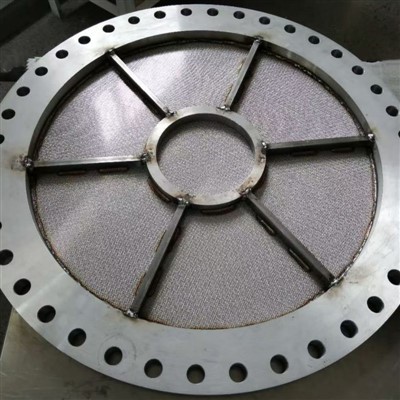
In conclusion, sintered fibre felt material offers a multitude of advantages, including high filtration efficiency, chemical resistance, mechanical strength, temperature resistance, customizability, reusability, and environmental friendliness. These benefits make it an ideal choice for a wide range of applications in various industries.
Wedge Wire Filter Screen If you are looking for high – quality sintered fibre felt material and filters for your specific needs, I invite you to contact us for further discussion. Our team of experts is ready to provide you with customized solutions and technical support. We are committed to delivering the best products and services to meet your filtration requirements.
References
- "Filtration Technology Handbook" by Peter A. Schweitzer
- "Advanced Materials for Filtration Applications" by various authors in the Journal of Filtration Science and Technology
Henan Easy Filter Equipment Co., Ltd.
As one of the leading sintered fibre felt material and filter manufacturers and suppliers in China, we offer a wide range of products with superior quality. Please rest assured to buy advanced sintered fibre felt material and filter from our factory. We also accept customized orders.
Address: Apartment No.1, Building No.2, Zhengshang Jinyushijia, Xinzhong Street, Xinxiang, Henan, China.
E-mail: vivian@easyfiltertech.com
WebSite: https://www.easyfilter-china.com/
