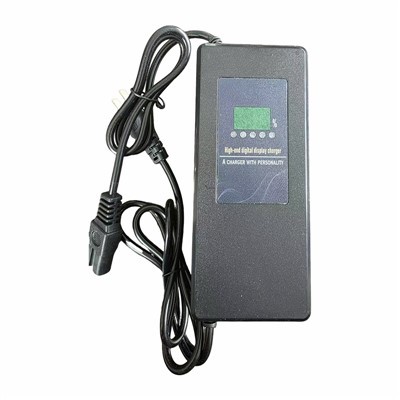
In the dynamic landscape of modern energy storage, lithium batteries have emerged as a cornerstone technology, powering everything from portable electronics to electric vehicles. As a leading supplier of lithium battery chargers, I often encounter a recurring question from our customers: "Do lithium battery chargers require any special software?" This query is essential as it touches on the core functionality, safety, and efficiency of lithium battery charging systems. In this blog post, I will delve into the intricacies of lithium battery chargers and explore the role of special software in their operation. Lithium Battery Charger
Understanding Lithium Batteries and Their Charging Requirements
Before we discuss the necessity of special software, it’s crucial to understand the unique characteristics of lithium batteries. Lithium batteries offer high energy density, long cycle life, and a relatively low self – discharge rate compared to other battery chemistries. However, they are also more sensitive to overcharging, over – discharging, and overheating, which can lead to reduced battery life, performance degradation, and even safety hazards.
The charging process of lithium batteries typically consists of two main stages: constant – current (CC) charging and constant – voltage (CV) charging. During the CC stage, the charger supplies a constant current to the battery until it reaches a predefined voltage. Once the battery voltage reaches this level, the charger switches to the CV stage, where it maintains a constant voltage while the current gradually decreases as the battery approaches full charge.
The Role of Software in Lithium Battery Chargers
Safety Management
One of the primary functions of special software in lithium battery chargers is safety management. The software can monitor various parameters such as battery voltage, current, and temperature in real – time. If any of these parameters exceed the safe operating limits, the software can take appropriate actions, such as reducing the charging current or shutting down the charger altogether. This helps prevent overcharging, over – discharging, and overheating, which are the main causes of lithium battery failures and safety risks.
For example, if the battery temperature rises above a certain threshold, the software can reduce the charging current to prevent thermal runaway. Similarly, if the battery voltage reaches the upper limit during the CV stage, the software can stop the charging process to avoid overcharging.
Charging Algorithm Optimization
Special software can also optimize the charging algorithm to improve the charging efficiency and battery life. Different types of lithium batteries have different charging requirements, and the software can be programmed to adapt to these specific needs. For instance, some lithium – ion batteries may require a different charging profile than lithium – polymer batteries.
The software can adjust the charging current and voltage based on the battery’s state of charge (SOC), state of health (SOH), and other factors. This ensures that the battery is charged in the most efficient and safe way possible, maximizing its lifespan and performance.
Communication and Compatibility
In modern lithium battery charging systems, software enables communication between the charger and the battery. This communication can be used to exchange information such as the battery’s SOC, SOH, and charging history. It also allows the charger to detect the type of battery and adjust the charging parameters accordingly.
Moreover, software can enhance the compatibility of the charger with different types of lithium batteries. By using standardized communication protocols, the charger can communicate with a wide range of batteries, making it more versatile and user – friendly.
Examples of Special Software Features
Battery Balancing
In multi – cell lithium battery packs, battery balancing is a critical function. The software can monitor the voltage of each cell in the pack and equalize the charge distribution among the cells. This helps prevent individual cells from overcharging or under – charging, which can lead to reduced battery performance and lifespan.
Diagnostic and Reporting
Special software can provide diagnostic information about the battery and the charger. It can detect faults, such as short circuits or open circuits, and generate error reports. This information can be used for maintenance and troubleshooting, ensuring the reliable operation of the charging system.
Firmware Updates
Software in lithium battery chargers can be updated to improve performance, add new features, or address security vulnerabilities. Firmware updates can be delivered remotely, allowing users to keep their chargers up – to – date without having to replace the hardware.
Do All Lithium Battery Chargers Require Special Software?
Not all lithium battery chargers require special software. Simple chargers designed for small, single – cell lithium batteries may operate without software, relying on basic electronic circuits to control the charging process. However, as the complexity of the battery system increases, such as in multi – cell battery packs or high – power applications, the need for special software becomes more apparent.
For example, electric vehicle (EV) chargers require sophisticated software to manage the charging process, communicate with the vehicle’s battery management system (BMS), and ensure the safety and efficiency of the charging operation. Similarly, chargers for large – scale energy storage systems also rely on software to optimize the charging and discharging cycles.
Our Approach as a Lithium Battery Charger Supplier
As a supplier of lithium battery chargers, we understand the importance of special software in ensuring the safety, efficiency, and performance of our products. We invest heavily in research and development to develop advanced software algorithms that can adapt to different types of lithium batteries and charging requirements.
Our chargers are equipped with state – of – the – art software that provides real – time monitoring, safety management, and charging optimization. We also offer firmware updates to our customers to ensure that their chargers are always up – to – date with the latest features and security patches.
In addition, we work closely with our customers to understand their specific needs and provide customized solutions. Whether it’s a small – scale consumer application or a large – scale industrial project, we can develop chargers with the appropriate software to meet the requirements.
Conclusion
In conclusion, while not all lithium battery chargers require special software, the use of software can significantly enhance the safety, efficiency, and performance of the charging system. As a lithium battery charger supplier, we recognize the importance of software in our products and are committed to providing high – quality chargers with advanced software features.
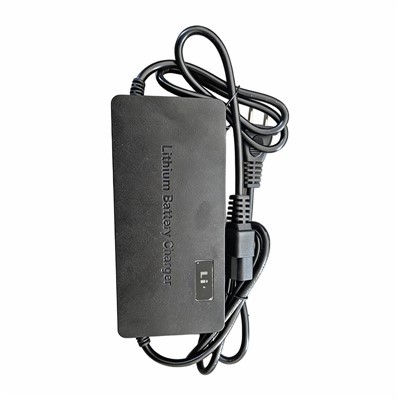
Battery Charger If you are in the market for lithium battery chargers and have specific requirements, we would be more than happy to discuss your needs and provide you with a customized solution. Our team of experts is ready to assist you in selecting the right charger for your application and ensuring its reliable operation. Please reach out to us to start a conversation about your lithium battery charger needs.
References
- "Lithium – Ion Batteries: Science and Technologies" by Yoshio Matsuda, Akiya Kudo, and Masaki Yoshio.
- "Battery Management Systems: Design by Modelling" by Patrick Barrade, Jean – Francois Charpentier, and Jean – Marie Teulings.
- Industry white papers on lithium battery charging technologies from leading battery manufacturers and research institutions.
Tianchang Hengze Technology Co., Ltd.
With abundant experience, we are one of the most professional lithium battery charger manufacturers and suppliers in China. Please rest assured to buy bulk lithium battery charger made in China here from our factory. If you have any enquiry about quotation, please feel free to email us.
Address: No. 8 Sanxing Road, Qinlan Town Industrial Park, Tianchang City, Chuzhou City, Anhui Province, P.R. China
E-mail: 604894957@qq.com
WebSite: https://www.hengzebc.com/
