Hey there! I’m a supplier of special transformers, and today I wanna chat about acoustic noise reduction techniques for these bad boys. Special transformers are used in all sorts of industries, from power generation to electronics, and the noise they make can be a real pain in the neck. Not only is it annoying, but it can also cause problems in sensitive environments. So, let’s dig into some ways to keep that noise in check. Special Transformer
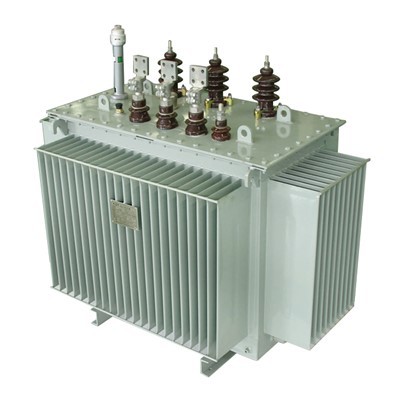
Understanding the Sources of Noise in Special Transformers
Before we jump into the solutions, it’s important to know where the noise is coming from. There are a few main culprits when it comes to acoustic noise in special transformers.
Magnetostriction
Magnetostriction is a biggie. It’s the phenomenon where the core of the transformer expands and contracts as the magnetic field changes. This mechanical movement creates vibrations, which in turn produce sound waves. The core is usually made of laminated steel sheets, and the magnetic forces cause these sheets to vibrate against each other. The frequency of the vibration is typically twice the frequency of the power supply, so in a 50 Hz or 60 Hz system, you’ll hear a humming sound around 100 Hz or 120 Hz.
Electromagnetic Forces
Another source of noise is the electromagnetic forces between the windings. When current flows through the windings, it creates a magnetic field, and the interaction between these fields can cause the windings to vibrate. This is especially true when there are high currents or short – circuits. The vibrations from the windings can be transferred to the transformer tank and radiate as noise.
Cooling System
The cooling system of the transformer can also be a source of noise. Fans and pumps are used to circulate coolant, and the movement of these components can generate noise. The airflow around the fans and the mechanical operation of the pumps contribute to the overall acoustic profile of the transformer.
Acoustic Noise Reduction Techniques
Now that we know where the noise is coming from, let’s look at some techniques to reduce it.
Core Design and Material Selection
One of the most effective ways to reduce noise from magnetostriction is to choose the right core material. High – quality grain – oriented electrical steel has lower magnetostriction compared to other types of steel. The grain orientation in this steel helps to minimize the expansion and contraction of the core, reducing the vibrations and noise.
We can also optimize the core design. Using a stepped – lap core design instead of a butt – lap design can reduce the magnetic flux leakage and the associated vibrations. The stepped – lap design provides a better magnetic path, which results in less stress on the core and lower noise levels.
Winding Design
For the windings, proper design and construction can help reduce electromagnetic noise. Using low – resistance conductors can reduce the current density, which in turn reduces the magnetic forces between the windings. We can also use techniques like interleaving the windings to balance the magnetic fields and minimize the vibrations.
Securing the windings tightly is also crucial. Loose windings can vibrate more easily, so we use insulating materials and clamping structures to hold the windings in place. This helps to prevent the windings from moving and generating noise.
Vibration Isolation
Vibration isolation is a key technique for reducing noise. We can use rubber pads or springs between the transformer core and the tank to isolate the vibrations. These materials absorb the mechanical energy from the vibrations and prevent them from being transferred to the tank.
Similarly, we can isolate the cooling system components. Mounting fans and pumps on vibration – isolating mounts can reduce the noise they generate. The mounts absorb the vibrations from the moving parts and prevent them from being transmitted to the surrounding environment.
Enclosures and Sound Barriers
Using enclosures around the transformer is an effective way to reduce the noise that reaches the outside environment. The enclosures can be made of materials with good sound – absorbing properties, such as fiberglass or acoustic foam. The enclosure acts as a barrier, reflecting and absorbing the sound waves before they can escape.
We can also install sound barriers around the transformer installation. These barriers can be made of concrete, steel, or other dense materials. They help to block the sound from spreading and can be especially useful in outdoor installations where the noise needs to be contained.
Cooling System Optimization
Optimizing the cooling system can also reduce noise. We can use larger fans with lower rotational speeds instead of smaller, high – speed fans. Larger fans can move the same amount of air at a lower speed, which generates less noise.
We can also design the cooling system to minimize the airflow turbulence. Smooth ductwork and proper fan placement can reduce the noise caused by the airflow. Additionally, using variable – speed fans allows us to adjust the cooling capacity based on the actual needs of the transformer, which can reduce the noise when the transformer is operating at lower loads.
Real – World Applications and Case Studies
I’ve seen these techniques in action in many real – world applications. For example, in a data center, we installed a special transformer with a low – noise design. By using high – quality core material, optimizing the winding design, and implementing vibration isolation, we were able to reduce the noise level significantly. This was crucial because the data center had strict noise requirements to ensure the comfort of the employees and the proper functioning of the sensitive equipment.
In another case, an industrial plant was experiencing noise issues from their transformers. We installed enclosures with sound – absorbing materials around the transformers. This not only reduced the noise but also protected the transformers from environmental factors. The plant was able to meet the local noise regulations and improve the working conditions for their employees.
Why Choose Our Special Transformers
As a supplier of special transformers, we take noise reduction seriously. We use the latest techniques and high – quality materials to ensure that our transformers are as quiet as possible. Our team of experts can work with you to design a transformer that meets your specific noise requirements.
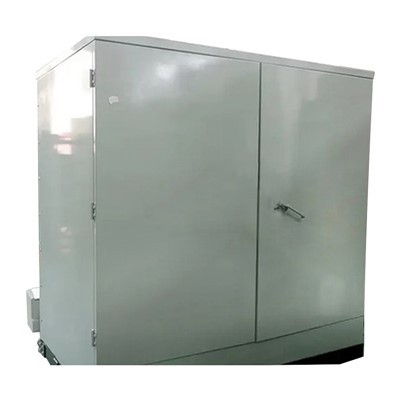
Whether you’re in a hospital, a data center, or an industrial facility, our special transformers can provide the power you need without the annoying noise. We understand that every application is unique, and we’re committed to finding the best solution for you.
Integrated Transformer If you’re interested in learning more about our special transformers and how we can help you with noise reduction, don’t hesitate to reach out. We’re here to answer your questions and discuss your procurement needs. Let’s work together to get you the perfect transformer for your project.
References
- "Transformer Noise: A Comprehensive Guide", Electrical Engineering Handbook
- "Acoustic Noise Reduction in Power Transformers", IEEE Transactions on Power Delivery
- "Design and Optimization of Special Transformers for Low Noise Operation", Journal of Applied Physics
Nantong Yawei New Energy Technology Co., Ltd.
As one of the most professional special transformer manufacturers and suppliers in China, we’re featured by quality products and good service. Please rest assured to wholesale durable special transformer made in China here from our factory. Customized orders are welcome.
Address: Room 28-101, Building 27 and 28, No.333 Kaiyuan Avenue, Sunzhuang Subdistrict, Hai’an City, Nantong City, Jiangsu Province, China
E-mail: admin@nantongyawei.com
WebSite: https://www.nantongyawei.com/
