When it comes to the world of plumbing and pipe systems, malleable iron pipe fittings play a crucial role. As a supplier of these essential components, I’ve witnessed firsthand the importance of being able to identify high – quality malleable iron pipe fittings. In this blog, I’ll share some key factors and methods that can help you make an informed decision when choosing these fittings for your projects. Malleable Iron Pipe Fittings
Understanding Malleable Iron Pipe Fittings
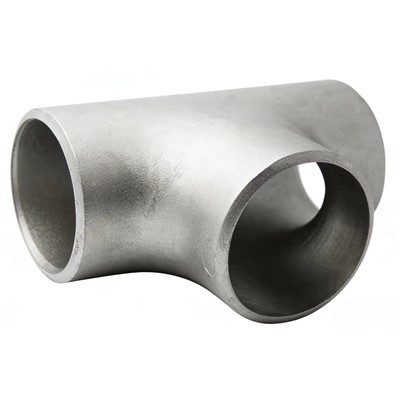
Malleable iron is a type of cast iron that has been heat – treated to increase its ductility and toughness. This makes malleable iron pipe fittings suitable for a wide range of applications, including water distribution, gas systems, and industrial piping. They are available in various shapes and sizes, such as elbows, tees, couplings, and unions, to connect and redirect pipes in a plumbing system.
Material Quality
The first step in identifying high – quality malleable iron pipe fittings is to examine the material. High – quality malleable iron should have a consistent composition. It is typically made from white cast iron that has undergone a graphitization annealing process. This process transforms the brittle white iron into a more ductile and tough material.
One way to assess the material quality is through visual inspection. A high – quality fitting will have a smooth, uniform surface without any visible cracks, pores, or inclusions. Cracks can weaken the fitting and lead to leaks or failures over time, while pores and inclusions can affect the overall strength and integrity of the material.
Another method is to check the hardness of the malleable iron. A well – made fitting should have an appropriate hardness level that balances strength and ductility. You can use a hardness testing device, such as a Rockwell or Brinell hardness tester, to measure the hardness. The hardness values should be within the standard range specified for malleable iron pipe fittings.
Manufacturing Process
The manufacturing process has a significant impact on the quality of malleable iron pipe fittings. A reliable supplier will follow strict manufacturing standards and procedures to ensure the production of high – quality fittings.
- Casting Quality: The initial casting process is crucial. In high – quality manufacturing, the molten iron is poured into precision – made molds to ensure accurate dimensions and smooth surfaces. The casting should be free from defects such as shrinkage cavities, cold shuts, or misruns. These defects can compromise the structural integrity of the fitting.
- Heat Treatment: The heat – treatment process is what gives malleable iron its unique properties. A proper annealing process is essential to transform the cast iron into malleable iron. The fitting should be heated to a specific temperature range and held there for a precise amount of time, followed by a controlled cooling process. Improper heat treatment can result in inconsistent material properties, such as uneven hardness or reduced ductility.
- Finishing Operations: After casting and heat treatment, the fittings usually undergo finishing operations such as machining, threading, and coating. High – quality fittings will have accurate and clean threads that allow for proper installation and a tight seal. The coating should be evenly applied and provide good corrosion resistance. A common coating for malleable iron pipe fittings is zinc plating, which helps protect the iron from rust and corrosion in various environments.
Dimension Accuracy
Accurate dimensions are vital for malleable iron pipe fittings to ensure proper fit and connection in a piping system. When inspecting a fitting, you should check the following dimensions:
- Nominal Size: The nominal size of a fitting should match the size of the pipes it is intended to connect. Make sure that the inner and outer diameters of the fitting are within the specified tolerance limits. For example, if you are using 1 – inch pipes, the corresponding 1 – inch malleable iron fitting should have an appropriate ID and OD to ensure a proper fit.
- Length and Angle: The length of straight fittings and the angle of elbows and tees should be accurate. Deviations in length can cause installation problems, while incorrect angles can lead to misalignment in the piping system, which may result in stress concentrations and potential leaks.
- Thread Specifications: The pitch, depth, and tolerance of the threads are crucial for a secure connection. The threads should conform to recognized standards, such as the National Pipe Thread (NPT) or British Standard Pipe Thread (BSP). You can use a thread gauge to check the accuracy of the threads.
Pressure and Temperature Ratings
In any piping system, the fittings need to withstand the pressure and temperature conditions of the fluid or gas being transported. High – quality malleable iron pipe fittings will have clearly marked pressure and temperature ratings.
When selecting fittings, you should choose ones that are rated for the specific pressure and temperature requirements of your application. For example, in a high – pressure water distribution system, you need fittings that can handle the maximum operating pressure without failure. Similarly, in a hot water or steam system, the fittings should be able to withstand the high – temperature conditions.
It’s also important to note that the pressure and temperature ratings of the fittings can be affected by factors such as the type of fluid, the installation method, and the environmental conditions. Therefore, it’s always a good idea to consult with a professional engineer or refer to industry standards when determining the appropriate fittings for your project.
Corrosion Resistance
Corrosion is a major concern in piping systems, especially when the pipes are exposed to moisture, chemicals, or harsh environments. High – quality malleable iron pipe fittings should have good corrosion – resistance properties.
As mentioned earlier, zinc plating is a common method to protect malleable iron from corrosion. The thickness of the zinc coating is an important factor in determining its effectiveness. A thicker coating can provide better protection over a longer period. In addition to zinc plating, some fittings may also be coated with other materials, such as epoxy or phenolic coatings, for enhanced corrosion resistance in more aggressive environments.
You can also look for signs of corrosion on the surface of the fittings during inspection. If there are any signs of rust or discoloration, it may indicate poor quality or improper coating.
Testing and Certification
Reputable manufacturers of malleable iron pipe fittings will subject their products to various tests to ensure they meet the required standards. Some common tests include:
- Hydrostatic Testing: This test involves filling the fitting with water and pressurizing it to a specified level to check for leaks. High – quality fittings should pass this test without any visible leaks.
- Tensile Testing: Tensile testing is used to determine the strength and ductility of the malleable iron. The fitting is pulled until it breaks, and the results are analyzed to ensure that the material meets the required mechanical properties.
- Certification: Look for fittings that are certified by recognized organizations, such as the American Society of Mechanical Engineers (ASME), the International Organization for Standardization (ISO), or other relevant national or industry standards. Certification indicates that the fittings have been tested and meet the specified quality and performance criteria.
Supplier Reputation
Finally, the reputation of the supplier is an important factor in ensuring the quality of malleable iron pipe fittings. A reliable supplier will have a history of providing high – quality products, excellent customer service, and technical support.
You can research the supplier by reading customer reviews, checking their business history, and asking for references. A good supplier will be transparent about their manufacturing processes, quality control measures, and product specifications. They will also be willing to provide samples for testing and answer any questions you may have about their products.
In conclusion, identifying high – quality malleable iron pipe fittings requires a comprehensive approach that considers factors such as material quality, manufacturing process, dimension accuracy, pressure and temperature ratings, corrosion resistance, testing and certification, and supplier reputation. By paying attention to these details, you can ensure that you are getting the best – quality fittings for your plumbing and piping projects.
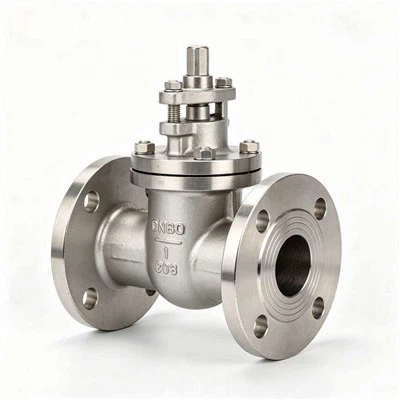
Ball Valve If you’re in the market for high – quality malleable iron pipe fittings, I’d be more than happy to help. I understand the importance of these components in your projects and can provide you with the right products that meet your specific requirements. Whether you need a small quantity for a DIY project or a large – scale supply for a commercial installation, I’m here to assist you. Don’t hesitate to reach out and start a procurement discussion with me.
References
- ASME Standards on Pipe Fittings
- ISO 49 – 1: Metallic materials — Hardness test — Part 1: Test methods
- Literature on Malleable Iron Production and Applications
Shanxi Yuanhang Machinery Construction Industry and Trade Co., Ltd.
We’re well-known as one of the most experienced malleable iron pipe fittings manufacturers in China. With a professional production team, we are able to meet the needs of the majority of our customers. Welcome to buy discount malleable iron pipe fittings in stock here from our factory. Contact us for pricelist and free sample.
Address: Taiyuan City, Shanxi Province
E-mail: anzhiyuan@yhmadeinprc.com.cn
WebSite: https://www.yhmadeinprc.com/
