Hey there! I’m a supplier of plastic auxiliary equipment, and today I wanna chat about how often this kind of equipment should be maintained. It’s a question I get a lot from my customers, and let me tell ya, getting the maintenance schedule right is super important for keeping your production running smoothly and your costs down. Plastic Auxiliary Equipment
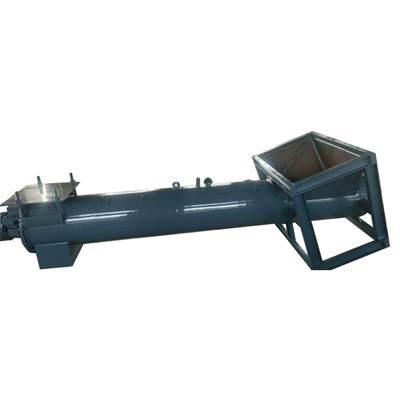
Let’s first understand why maintenance is such a big deal. Plastic auxiliary equipment, like dryers, granulators, and conveyors, plays a crucial role in the plastic manufacturing process. If these machines aren’t working properly, it can lead to all sorts of problems. For example, a poorly maintained dryer might not remove moisture from the plastic pellets effectively. This can result in products with defects, like bubbles or poor surface finish. And a jammed granulator can halt production altogether, causing delays and costing you money.
Now, onto the big question: how often should you maintain this equipment? Well, there’s no one – size – fits – all answer. It depends on several factors.
Usage Frequency
The most obvious factor is how often the equipment is used. If you’re running your plastic production line 24/7, five days a week, your machines are gonna take a lot more wear and tear compared to a small – scale operation that only runs a few hours a day, a couple of times a week.
For high – usage equipment, like a conveyor system that’s constantly moving plastic materials around the factory, I’d recommend a basic visual inspection every day. You just wanna make sure there aren’t any loose belts, strange noises, or signs of overheating. A more in – depth maintenance check, including lubrication, belt tension adjustment, and checking for any worn – out parts, should probably be done once a week.
On the other hand, if you’ve got a piece of equipment that’s used less frequently, say a specialized testing machine that only gets fired up once a month, you can get away with a more relaxed maintenance schedule. A visual inspection once a month and a full maintenance check every three to six months should be enough.
Type of Equipment
Different types of plastic auxiliary equipment also have different maintenance needs.
Dryers
Dryers are essential for removing moisture from plastic resins. They usually have heating elements, fans, and filters. The heat exchanger and the filter should be checked at least once a week. Dust and debris can build up on the filter, which restricts airflow and reduces the dryer’s efficiency. As for the heating elements, they should be inspected every couple of months to make sure they’re working at the right temperature. A full service, including cleaning the internal components and checking the electrical connections, should be done every six months.
Granulators
Granulators are used to recycle plastic waste. They have sharp blades that cut the plastic into smaller pieces. The blades should be sharpened or replaced every two to three weeks, depending on how much waste they’re processing. You also need to check the motor and the bearings for any signs of wear and tear. A complete disassembly and cleaning of the granulator should be done once a month to prevent any build – up of plastic particles inside the machine.
Mold Temperature Controllers
Mold temperature controllers help maintain a consistent temperature in the plastic molding process. The coolant levels should be checked daily, and the hoses and connections should be inspected for leaks. A full system flush and filter change should be done every three months to keep the coolant clean and prevent corrosion.
Environmental Conditions
The environment where the equipment is located also affects the maintenance schedule. If your factory is in a dusty or humid area, your equipment is going to need more frequent maintenance. Dust can clog up the filters and cooling vents of your machines, and humidity can cause corrosion.
In a dusty environment, you might need to clean the filters on your equipment every few days instead of once a week. And in a humid area, you should check the electrical components more often for signs of rust and corrosion. You may also want to consider using a dehumidifier or a dust collector to improve the working conditions for your machines.
Manufacturer’s Recommendations
Don’t forget to follow the manufacturer’s recommendations. The people who built the equipment know it best. They usually provide a maintenance schedule in the user manual. This schedule is based on their testing and experience, so it’s a great starting point.
But keep in mind that the manufacturer’s schedule is often a general guideline. You may need to adjust it based on your specific usage, environment, and other factors I mentioned earlier.
The Benefits of Regular Maintenance
Let’s talk about why all this maintenance is worth it. Regular maintenance can extend the lifespan of your equipment. By catching small problems early, you can prevent them from turning into major breakdowns. This means you won’t have to replace your expensive plastic auxiliary equipment as often.
It also improves the quality of your products. When your machines are running in top – notch condition, you’re less likely to have defects in your plastic products. This can lead to fewer returns and higher customer satisfaction.
And let’s not forget about cost – savings. Sure, maintenance costs money, but it’s a lot cheaper than the cost of unscheduled downtime. When your machines break down unexpectedly, you’ve got production halted, you may have to pay for emergency repairs, and you could lose customers due to late deliveries.
How to Keep Track of Maintenance
There are a few ways to keep track of your equipment maintenance. You can use a simple paper – based logbook. Just write down when you did the maintenance, what was done, and any issues you noticed. It’s a low – tech but effective way to stay organized.
If you’re more into technology, you can use a computer – based maintenance management system (CMMS). There are lots of different CMMS software options out there. They let you schedule maintenance tasks, track parts inventory, and generate reports. This can be especially useful if you’ve got a large number of machines to maintain.
So, there you have it. The frequency of maintaining plastic auxiliary equipment depends on usage frequency, type of equipment, environmental conditions, and the manufacturer’s recommendations. By following a proper maintenance schedule, you can keep your machines running smoothly, improve product quality, and save money in the long run.
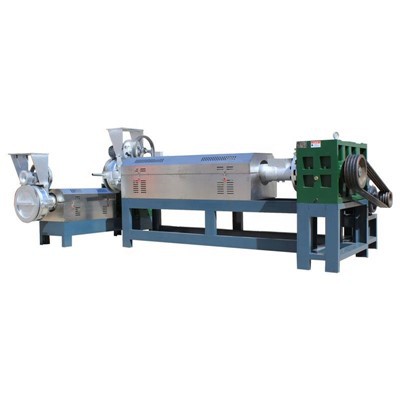
If you’re in the market for plastic auxiliary equipment or need more advice on maintenance, don’t hesitate to reach out. I’d be more than happy to have a chat with you and help you find the best solutions for your production needs.
Plastic Drying Equipment References
- General knowledge and experience in the plastic auxiliary equipment industry.
- User manuals of various plastic auxiliary equipment.
Laizhou Yuening Machinery Co., Ltd.
As one of the most reliable plastic auxiliary equipment manufacturers in China, we warmly welcome you to buy cheap plastic auxiliary equipment made in China here from our factory. All customized machines are with high quality and low price. For pricelist, contact us now.
Address: Yuanjia Village, Luwang, Shahe Town, Laizhou City, Yantai City, Shandong Province
E-mail: yueningjixie@163.com
WebSite: https://www.ynplasticmachinery.com/
