If you’ve ever stepped into a private tennis club and felt that quiet, unspoken tension in the locker room when you showed up in a baggy cotton T-shirt and shorts that double as weekend bar attire, you know the answer to “what is the dress code for tennis at clubs?” isn’t as simple as “wear workout clothes.” As someone who’s spent the last seven years running a tennis wear supplier, I’ve watched this line evolve from a vague, 1970s-era rule to a thoughtful balance of tradition, performance, and inclusivity—one that can make or break a member’s first impression and their comfort on the court. Let’s break down the unwritten and written rules, where modern clubs are shifting, and what actually works for casual and competitive play alike. Tennis Wear
First, let’s cut through the myths: a tennis club’s dress code isn’t just about being stuffy. For decades, tennis was a sport played in linen skirts, collared shirts, and full-coverage shorts, designed to manage sweat without clinging to the body, and to maintain a polished look for matches against rival clubs. That tradition stuck, even as the sport’s demographics changed and new fabrics hit the market. Today, most private clubs (and even many semi-public tennis facilities) enforce a standard that falls into three core categories: on-court wear, off-court (locker room and lounge) wear, and guest attire. Let’s start with the rules that apply directly to the court, because that’s where most players trip up.
Virtually every club requires that on-court wear is made from technical fabrics—not cotton. I’ve heard every excuse in the book: “Cotton is breathable!” “I play casual, I don’t need fancy stuff!” But anyone who’s played a full set of doubles in 90-degree heat knows cotton absorbs sweat, turns heavy, clings to your legs and arms, and stays damp long after you leave the court. Technical fabrics (what we supply to 100+ clubs across the country) are woven with polyester, spandex, or moisture-wicking blends that pull sweat away from the skin, dry in minutes, and have just enough stretch to let you lunge for a drop shot or reach overhead for a serve. That rule isn’t about elitism—it’s about preventing distraction and reducing risk of chafing or overheating.
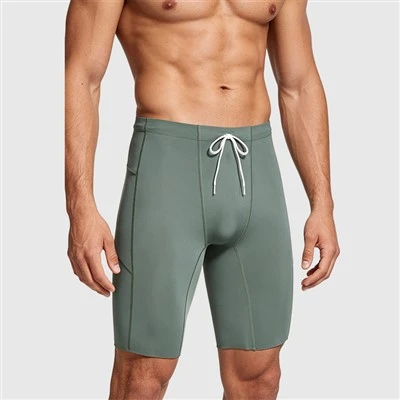
For players identifying as male, the standard rule has long been a collared shirt. But here’s a shift I’ve seen in the last five years: more and more modern clubs (especially ones that cater to younger, recreational players) are ditching the “collar only” rule for men’s tops, as long as the shirt is a performance fabric, not a plain tee. That said, most competitive leagues or tournaments hosted by clubs still require a collared shirt—so if you’re playing in a club’s internal ladder or weekend matches, a polo or a performance mock neck is the safe bet. No tank tops, no raglan tees with random graphics, no cut-off sleeves unless they’re designed specifically for tennis. For bottoms, men’s shorts or tennis pants must be at least mid-thigh length. Rolled-up jeans, sweatpants, or basketball shorts? A hard no. I’ve had dozens of clubs tell me that one of the most common “no-entry” scenarios for men is showing up in a pair of generic basketball shorts that end 2 inches above the knee—they’re too casual, and can be a tripping hazard during quick court movements.
For players identifying as female, the rules have shifted even more, and that’s a conversation that’s been long overdue. For years, female tennis players were limited to tight, short skirts or skorts that offered little coverage and barely any mobility. Today, most clubs allow skorts, shorts, or tennis dresses, but the unwritten rule is that they can’t be so short or tight that they restrict movement or require constant adjusting while playing. I’ve worked with clubs that have fine-tuned this: skorts must be at least 3 inches from the top of the knee, and dresses should have a built-in liner or undershorts for coverage. The other big rule that still stands for women? No plain cotton tank tops or crop tops. Even if they’re performance fabric, most clubs require a crop top to be layered with a light long-sleeve or performance tee underneath, unless it’s labeled specifically as tennis wear. Again, this isn’t about policing bodies—it’s about maintaining a consistent, polished court environment that works for all players, no matter their style or size.
Now, the part of the dress code that confuses almost everyone: what to wear off the court. Most people think the dress code ends when you step off the court, but private clubs’ dress codes extend to their lobbies, locker rooms, and even casual lounge areas. This is where a lot of first-time club guests get turned away: if you show up to the club’s post-match snack area still in your sweat-damp court shorts, or in the same T-shirt you wore to grab coffee that morning, you might get a side-eye from the pro shop staff, or even a request to change before using the lounge. The standard rule here is “resort casual” or “club casual”—nothing too formal, but nothing too athletic. For men, that means chinos, khakis, or tailored shorts (again, mid-thigh length) paired with a polo or a button-down; for women, linen pants, skorts, or knee-length shorts paired with a blouse or a casual tennis top. Athletic shoes are only allowed on the court—once you’re off the court, you need to switch to sneakers or loafers that aren’t scuffed, worn, or meant for running.
Guest attire is another area that’s often misunderstood. Most clubs allow guests, but the dress code for guests is usually stricter than for members. I’ve had a club tell me that their most frequent guest no-shows are people who show up to a casual doubles match as a guest in flip-flops, a generic tee, and cargo shorts. Flip-flops are never allowed on the court—they offer no support, and can lead to ankle injuries if you slip mid-step. For guests, the rule is simple: follow the same court dress code as members, and double down on off-court wear to avoid awkwardly having to buy a last-minute outfit from the pro shop.
Now, the big question: are clubs getting more lenient, or more strict? For years, I thought the dress code was only getting more rigid, but in the last two years, I’ve seen a huge shift toward inclusivity and flexibility, especially among newer clubs that cater to recreational players rather than competitive tournament circuits. One of my favorite examples is a club I supply in Austin, Texas, that changed its dress code last year to allow non-collared performance tops for all players, regardless of gender, as long as they’re made from moisture-wicking fabric. They also added a rule that no outfit is allowed to restrict movement, rather than enforcing a specific cut or style. That’s a direction I think a lot of clubs are moving in: moving away from outdated, gendered rules and toward rules that prioritize performance, comfort, and respect for all players.
There’s one thing all clubs still agree on, though: the dress code is non-negotiable for competitive play. If you’re playing in a club’s ranked ladder, a city league match, or a national tournament hosted by the club, you can bet that there will be a referee checking shorts length, shirt collars, and shoe type. I’ve seen players lose a match before it even starts because they showed up in non-compliant shoes—no exceptions, even if you’re the best player in the league. That’s why, as a tennis wear supplier, I make sure every outfit I create is designed to check all the boxes: meets club dress code standards, offers top-tier performance, and is available in sizes that work for every player, no matter their body type.
Let’s talk about the practical side of this, too. I’ve heard from so many new members that they skip joining a club because they’re not sure they have the right clothes, or they don’t want to invest in a whole wardrobe just to play tennis. That’s why I focus on making tennis wear accessible—basic polos and shorts start at $30, and we have bundle packs for clubs that let members stock up on court and off-court wear without breaking the bank. I also work with clubs to create custom uniforms that fit their specific dress code rules, so members don’t have to guess what’s allowed. Last year, a club in Chicago worked with me to design a line of skorts that hit exactly the 3-inch-from-the-knee mark their rule required, and polos that come in muted colors that match the club’s signature aesthetic—no loud graphics, no ill-fitting cuts.
Another common mistake players make is mixing athletic wear that works for running or gym workouts, but not for tennis. A lot of people think any moisture-wicking shirt is fine for the court, but tennis requires a different kind of fabric. Running shirts are often designed to be very light and thin, which can be transparent when wet—a huge problem if you’re trying to maintain a polished look, or if the club’s dress code forbids sheer fabric. Tennis wear, on the other hand, is woven to be opaque even when damp, with a subtle stretch that lets you move without the fabric pulling. That’s why so many clubs now require shoes specifically designed for tennis, not cross-training shoes: tennis shoes have a wider base for lateral movement, better ankle support for quick turns, and non-marking soles that don’t scuff the hard court surfaces.
I want to be clear: the tennis club dress code isn’t a way to exclude people, even though it might feel that way when you’re new to the sport. It’s a set of guidelines that’s evolved over 100 years to keep the game fair, safe, and respectful for everyone on the court. When every player is wearing the right clothes, no one has to focus on adjusting their skirt, holding up their pants, or worrying about their shirt being too sheer—they can just focus on playing. That’s the core of what tennis wear is about, for me.

If you’re a club manager reading this and looking to refresh your uniform line, or if you’re a member who needs an affordable, code-compliant wardrobe for casual and competitive play, we’re here to help. We work with all types of tennis facilities, from small local clubs to national private memberships, and we customize every order to fit your specific dress code requirements. Whether you need bulk polos for league play, skorts that meet your length rules, or custom court shoes, we can create a line that works for your members’ needs without sacrificing quality or style. Don’t hesitate to reach out to discuss how we can partner to update your tennis wear offering.
Easy Wear for Men References:
- International Tennis Federation. (2022). Tennis Dress Code Guidelines for Competitive and Recreational Play. ITF Global Sports Standards.
- Racquet Industry Association. (2023). 2023 Tennis Facility Dress Code Survey: Trends in Private and Semi-Public Clubs. RIA Annual Industry Report.
- American College of Sports Medicine. (2021). Performance Fabrics for Racket Sports: Safety, Comfort, and Clothing Standards. ACSM Health and Fitness Journal.
Faust Garment Co., Ltd.
As one of the most professional tennis wear manufacturers and suppliers in China, our products have good reputation in the market. We warmly welcome you to buy high quality tennis wear made in China here from our factory. Also, custom service is available.
Address: 6th Floor, North Wing of Hengxin Building, No.9, Chifeng Road, Quanzhou City, Fujian, China.
E-mail: Kathywang@faustgarment.com
WebSite: https://www.faustsport.com/
