Alright, let’s be real—getting a facelift is a big, personal decision. I’ve spent years working with patients and the teams that make these procedures smooth, and let me tell you: prep work isn’t just “show up day-of and do what the doctor says.” Skip the wrong steps, and you’ll stress way more, or even delay your recovery. As a facelift supplier, I’ve seen both the best prep jobs and the messy ones, so trust me when I say this is the no-BS guide you actually need. Facelift
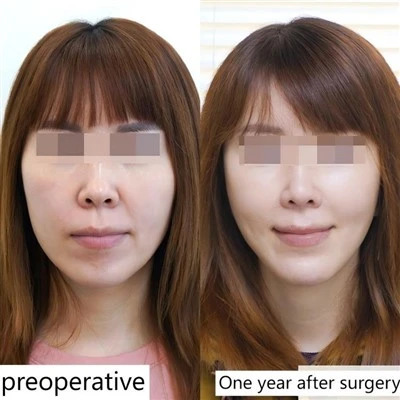
First off, let’s cut to the 3 big things you should do 4–6 weeks before surgery—this is the window that makes or breaks your healing. Most people jump straight to “stop taking blood thinners,” but there’s way more to it. Let’s start with your meds and habits. You know that daily aspirin you pop for your heart? Or that random ibuprofen when you have a headache? Wait, and what about your favorite green tea pills or energy shots? Yeah, those can be trouble too. Blood thinners (even over-the-counter ones, supplements, and herbal stuff like garlic, ginkgo biloba, and turmeric) thin your blood, which means you’ll bleed more during surgery and bruise way worse afterward. I’ve had patients who ignored this and ended up with black eyes that lasted 2 weeks, missing work and plans. So swap those for Tylenol if you need pain relief before surgery—and stick to Tylenol-only for a bit, okay? Also, if you smoke, now is the time to quit. I don’t care if it’s just a couple a day—smoking constricts blood vessels, so your skin won’t get enough oxygen to heal. I’ve seen patients who smoked a cigarette 2 days before surgery end up with a tiny area of skin that died and needed extra stitches. That’s not worth it. If you need help, ask your doc for a nicotine patch or gum—they’ll hook you up.
Next, your lifestyle leading up to surgery. If you’re prone to colds or infections, get that flu shot now, and if you have a dental checkup coming, do it before surgery too. Dental infections can spread, and we don’t want that near your face incisions. Also, drink enough water—like, really enough. Dehydration makes your skin less elastic, which can affect how it heals and settles after the facelift. I tell patients to aim for 8–10 cups a day, no sugary drinks that mess with hydration. And here’s a tiny trick: stock up on things you’ll need right after surgery. You won’t want to run to the store when you’re groggy and sore. Think soft foods (mashed potatoes, applesauce, soup—nothing crunchy that makes you move your mouth a lot), meds like Tylenol (skip the ibuprofen, remember), extra pillows to prop your head up at night (swelling is way worse if you lay flat), and a big old water bottle with a straw. Yeah, the straw sounds silly, but opening your mouth wide to drink from a cup pulls at your incisions. Trust me, your sore face will thank you.
Then, the week before surgery. This is where you dial in the details. First, confirm all your appointments: you’ll have a pre-op check-in with your surgeon, right? Go over every tiny thing—what medications you’re actually taking, any past surgeries, even if you get nervous with needles. Don’t hold back here. Also, stop any new skincare or facial treatments. That weekly facial you book? The chemical peel your esthetician suggested? Yeah, skip those. They irritate your skin, and your incisions need to be totally intact before surgery. Even retinol or strong exfoliants on your face 3 days pre-op can cause rashes. Save the glow for after you heal.
Now, what about the day before surgery? Easy: eat a light breakfast or lunch, then nothing after midnight. I know it’s boring, but anesthesia doesn’t mix well with food in your stomach. Also, skip the coffee in the morning—caffeine can make you jittery, and surgery already is a nerve-wracking thing. Wear loose, comfortable clothes to the hospital or clinic. No tight turtlenecks (you’ll need to pull clothes over your head, and that’s hard on your bandages), no jewelry, no makeup. Even if you think you’re “putting on a little face” for the doc, skip it. They need to see your natural skin to mark incisions properly.
Wait, let’s talk about something a lot of people gloss over: having a support person lined up. You can’t drive yourself home after surgery, and you definitely can’t be alone for the first 24 hours. I’ve had patients who tried to do it solo, and they ended up needing help changing bandages or getting water. Ask a friend, family member, or roommate to be your ride and stay with you. If no one’s available, some clinics offer overnight care—just ask your surgeon ahead of time, don’t wait till the last minute.
Now, after surgery, but wait—you asked about prepping, right? But a little post-op prep makes your pre-work matter. Because all that pre-surgery stuff only works if you follow the aftercare. But since you asked about prepping, here’s a quick pro tip: have a plan for your recovery time. Most people take 1–2 weeks off work, more if your job is physical. If you work from home, stock up on shows, books, or whatever keeps you occupied. You won’t be able to lift heavy stuff (no grocery runs with 5 gallon water jugs) for at least a week, so get all that delivered ahead. Use a grocery delivery service, and order your soft foods and meds 3 days early.
Let’s get real about myths here. I hear so many people say “I don’t need to tell anyone I take supplements, my doc doesn’t need to know.” Bullshit. Even “natural” supplements can mess with surgery. That echinacea you take for colds? It can boost your immune system too much, leading to bleeding. That’s why when you meet with your pre-op team, bring a list of everything you take—prescription meds, over-the-counter, supplements, even herbal teas. Don’t leave anything out. I’ve had a patient who forgot to mention she took a diuretic for water retention, and she ended up with way more swelling than expected.
Another thing: if you have any allergies, make sure your team knows. Allergy meds are fine, but if you’re allergic to latex, make sure the clinic uses latex-free supplies. It’s a small thing, but it can ruin your whole experience.
Wait, as a facelift supplier, I also work with a lot of clinics, so I know the gear that makes prep and recovery easier. But that’s not what I’m here to push—what I am here to do is tell you that the best prep is being honest with your medical team, taking care of your body, and not cutting corners. I’ve seen patients who skipped the pre-op blood thinner guidelines and had to stay an extra day in the clinic, missing work. I’ve seen patients who quit smoking 2 weeks before instead of 4, and their healing was slower. Small changes, big results.
So let’s recap the key steps to make this simple, no confusing jargon: 4–6 weeks out: Cut blood thinners (all types, even supplements), quit smoking, get your dental and flu checkups, stock up on recovery supplies. Week before: Confirm pre-op, skip skincare treatments, line up a support person. Day before: Fast after midnight, wear loose clothes, no makeup.

Wait, one last thing: don’t go shopping for a facelift before you’re ready. A lot of people get swayed by cheap clinics, but that’s a whole other can of worms. Your prep should also be making sure you’re choosing a qualified, board-certified surgeon—someone who’s done hundreds of facelifts, not a random spot that offers “discount procedures.” That’s part of prepping, too: doing your research so you feel confident in the person operating on you.
Facelift If you’re ready to learn more about how to make your facelift experience as smooth as possible, including working with a trusted supplier for all the medical and recovery supplies you’ll need, reach out to connect with our team for a detailed, no-pressure chat. We’re here to answer any questions you have, not sell you something you don’t need.
References
- American Society of Plastic Surgeons. (2023). Preparing for Facelift Surgery: A Patient’s Guide.
- Journal of Plastic, Reconstructive & Aesthetic Surgery. (2022). Perioperative Smoking Cessation and Wound Healing in Facial Cosmetic Surgery.
- Mayo Clinic. (2023). Pre-surgery: What to do before your procedure.
Yuan Qiang
With over 20 years’ experience, Dr. Yuan Qiang is a professional doctor specializes in comprehensive treatment for facelift. If you have any enquiry about facelift, please feel free to email us. Good service and reasonable price are available.
Address: 602, South Zone, 5th Floor, Building 122, Nanhu Dongyuan, Chaoyang District, Beijing
E-mail: 496864416@qq.com
WebSite: https://www.yuanqiang-doctor.com/
